Trusted by 50K+ Pharmacy StudentsHigh Quality Notes, MCQs, Mock Tests & Study ResourcesGo Premium (Ads Free)
Pharmacy Freak

CCMA (NHA): Fast-Track Your Medical Assistant Career, How to Pass the NHA CCMA Exam in Just 6 Weeks

CCMA (NHA): Fast-Track Your Medical Assistant Career, How to Pass the NHA CCMA Exam in Just 6 Weeks

The NHA Certified Clinical Medical Assistant (CCMA) credential can open doors fast. Employers know you can take vitals, draw blood, run EKGs, handle scheduling, and educate patients safely. If you focus on the right topics and practice with intention, you can be ready in six weeks. This guide gives you a practical plan, what to … Read more
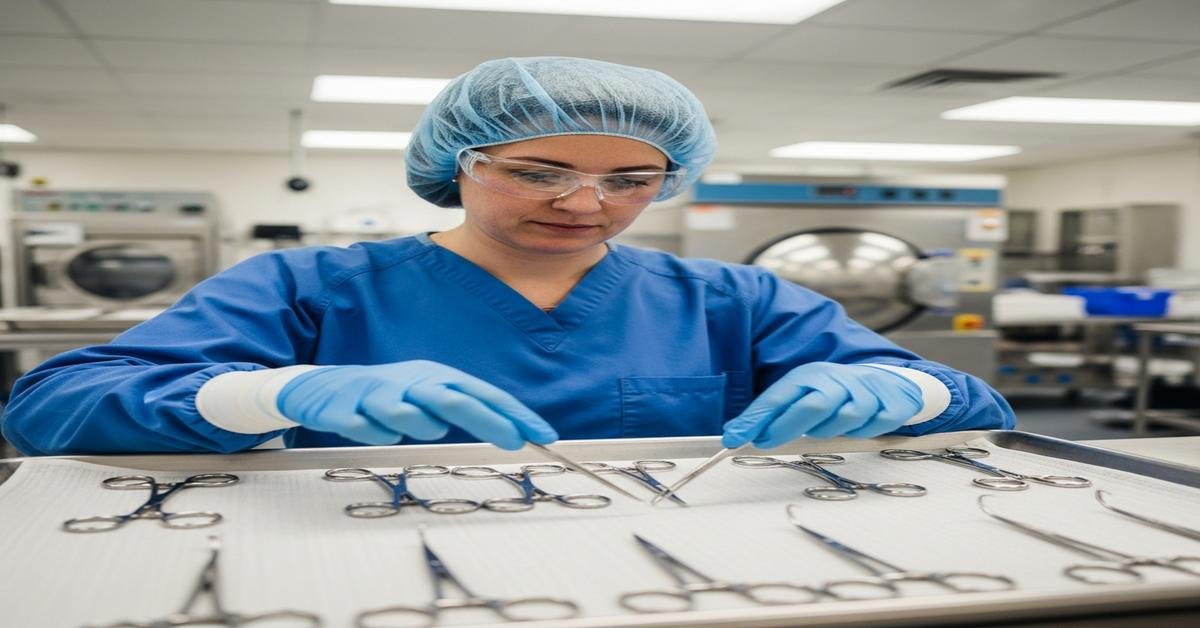

Sterile Processing Career: Why CRCST is the Most Important Entry-Level Job in the Hospital and How to Get Certified

Sterile Processing Career: Why CRCST is the Most Important Entry-Level Job in the Hospital and How to Get Certified

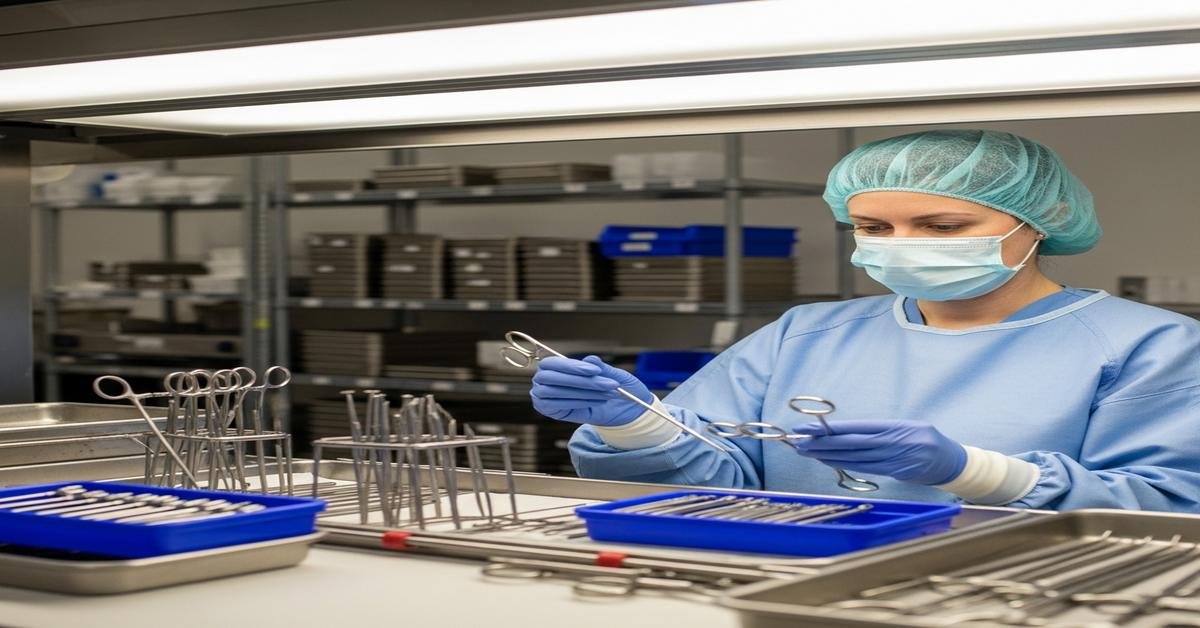
Sterile processing is the quiet engine that keeps hospitals safe. If instruments aren’t cleaned, inspected, sterilized, and tracked correctly, surgeries stop and infections rise. That’s why the Certified Registered Central Service Technician (CRCST) credential has become the gold standard for entering the field. It proves you can do the work that protects every patient on … Read more

CRCST Study Plan: The 400-Hour Experience Requirement and How to Ace the Sterile Processing Exam

CRCST Study Plan: The 400-Hour Experience Requirement and How to Ace the Sterile Processing Exam

Becoming a Certified Registered Central Service Technician (CRCST) takes more than passing a test. It requires hands-on skill, disciplined study, and a clear plan. The 400-hour experience requirement can look intimidating, and the exam covers a lot of ground. The good news: with a structured approach, you can earn your hours on time and walk … Read more

CRCST Sterile Processing: How to Pass the HSPA Exam and Master the Decontamination Process in 2026

CRCST Sterile Processing: How to Pass the HSPA Exam and Master the Decontamination Process in 2026

The CRCST credential proves you can keep patients safe by cleaning and sterilizing instruments the right way, every time. Passing the HSPA exam takes more than memorizing terms. You need to understand why each step in the decontamination process exists and how choices in the sink or washer affect outcomes in the OR. This guide … Read more

Surgical Tech Salary: How CST Certification Impacts Your Earning Potential in Major Hospital Systems

Surgical Tech Salary: How CST Certification Impacts Your Earning Potential in Major Hospital Systems

You chose a hands-on career in the operating room, and now you want to understand how the Certified Surgical Technologist (CST) credential changes your pay. The short answer: certification matters more in big hospital systems than most people realize. It affects your base rate, your access to specialized teams, and the amount of overtime and … Read more

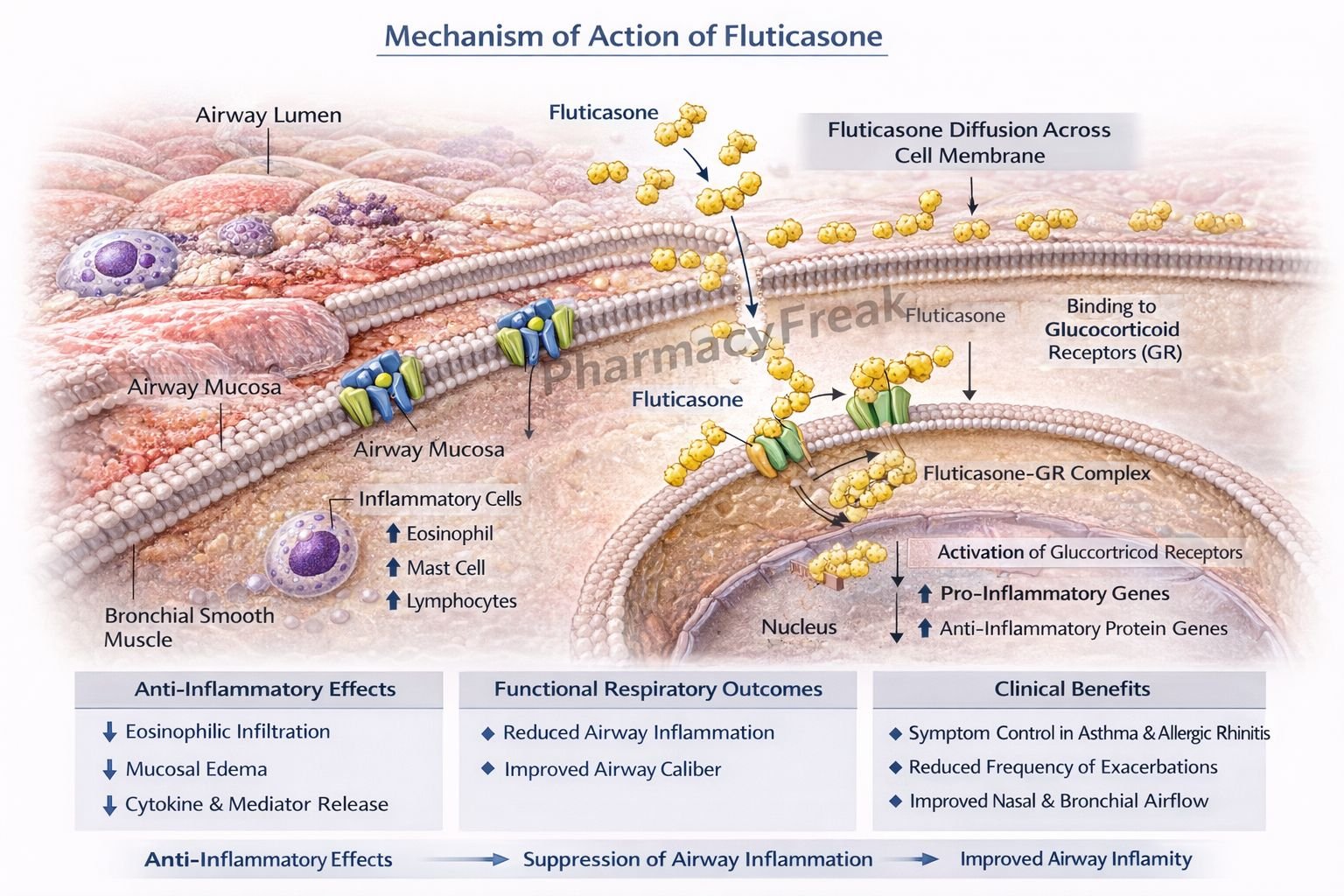
Mechanism of Action of Fluticasone

Mechanism of Action of Fluticasone

Introduction Fluticasone is a synthetic corticosteroid belonging to the glucocorticoid class, widely used for its potent anti-inflammatory and immunosuppressive effects. It is commonly administered via inhalation, intranasal spray, or topical routes for the management of asthma, allergic rhinitis, and other inflammatory conditions. Fluticasone is high-yield for pharmacology and clinical exams because of its receptor-mediated genomic … Read more

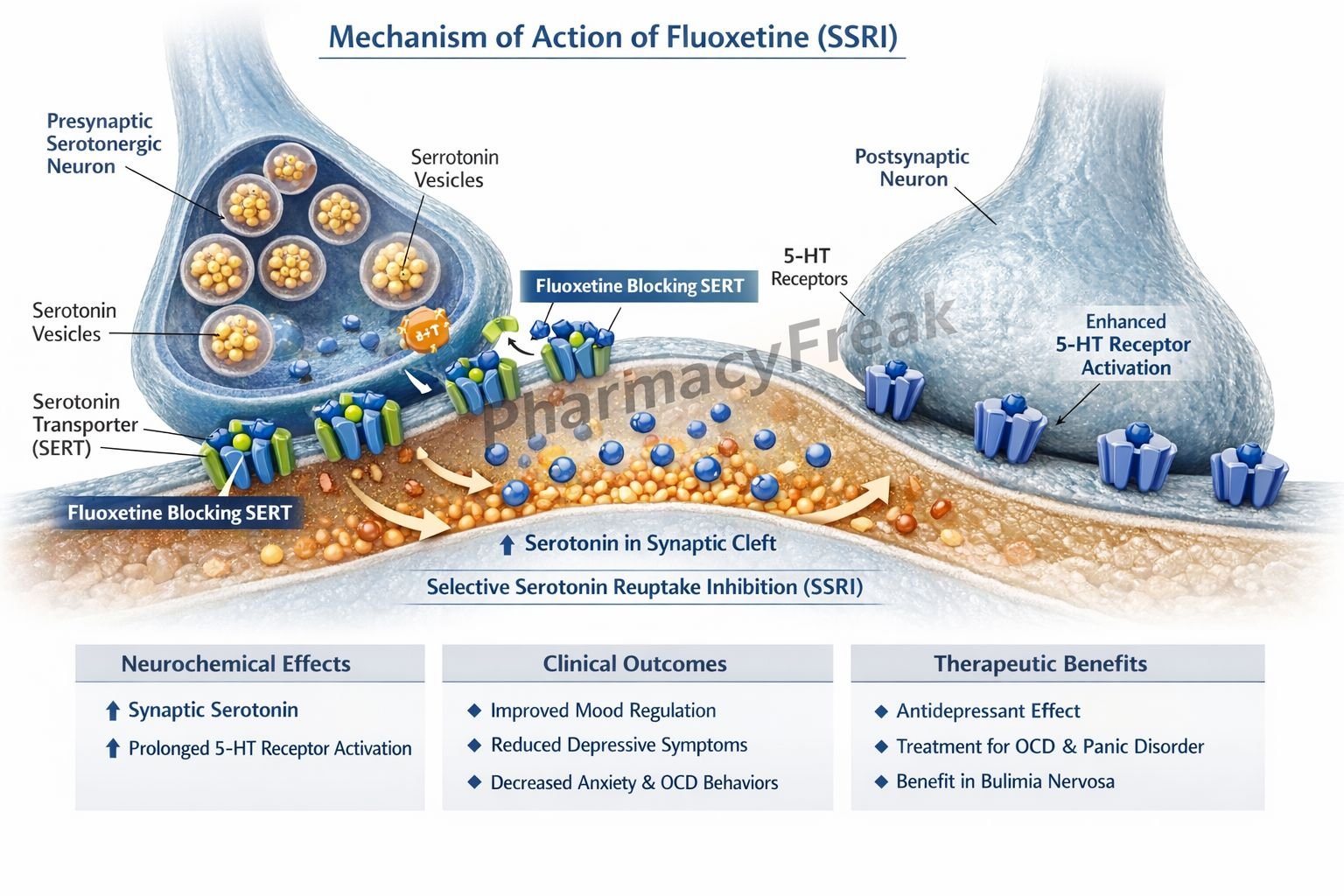
Mechanism of Action of Fluoxetine

Mechanism of Action of Fluoxetine

Introduction Fluoxetine is a selective serotonin reuptake inhibitor (SSRI) widely used in the treatment of depressive and anxiety disorders. It was the first SSRI introduced into clinical practice and remains highly relevant due to its long half-life, activating profile, and extensive exam coverage. Fluoxetine is particularly important in pharmacology examinations because of its mechanism at … Read more

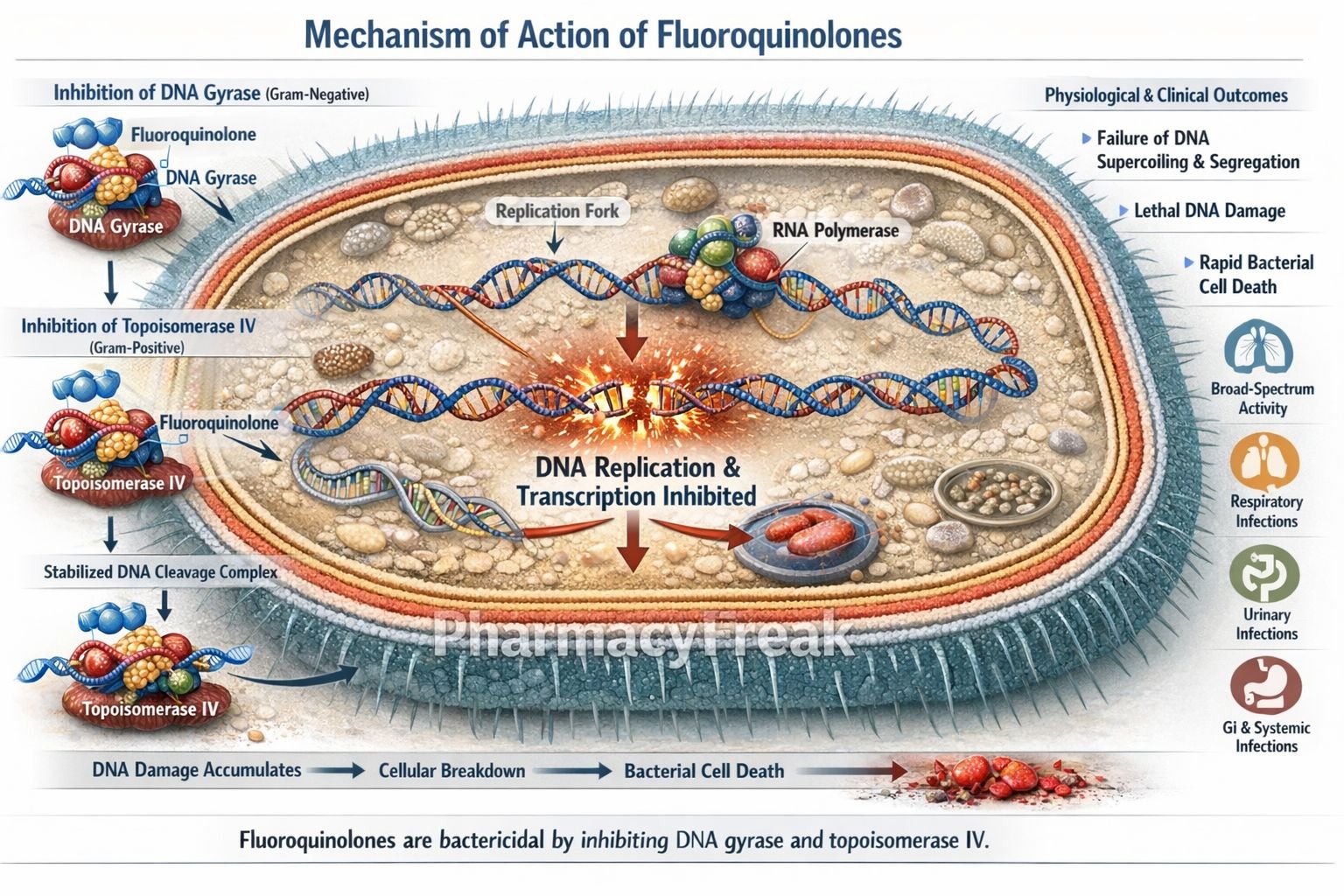
Mechanism of Action of Fluoroquinolones

Mechanism of Action of Fluoroquinolones

Introduction Fluoroquinolones are a broad-spectrum class of synthetic antibacterial agents widely used in the treatment of gram-negative, gram-positive, atypical, and intracellular bacterial infections. Common drugs in this class include ciprofloxacin, levofloxacin, moxifloxacin, and norfloxacin. Fluoroquinolones are extremely high-yield for pharmacology and clinical examinations due to their unique DNA-targeting mechanism, concentration-dependent killing, and characteristic musculoskeletal and … Read more

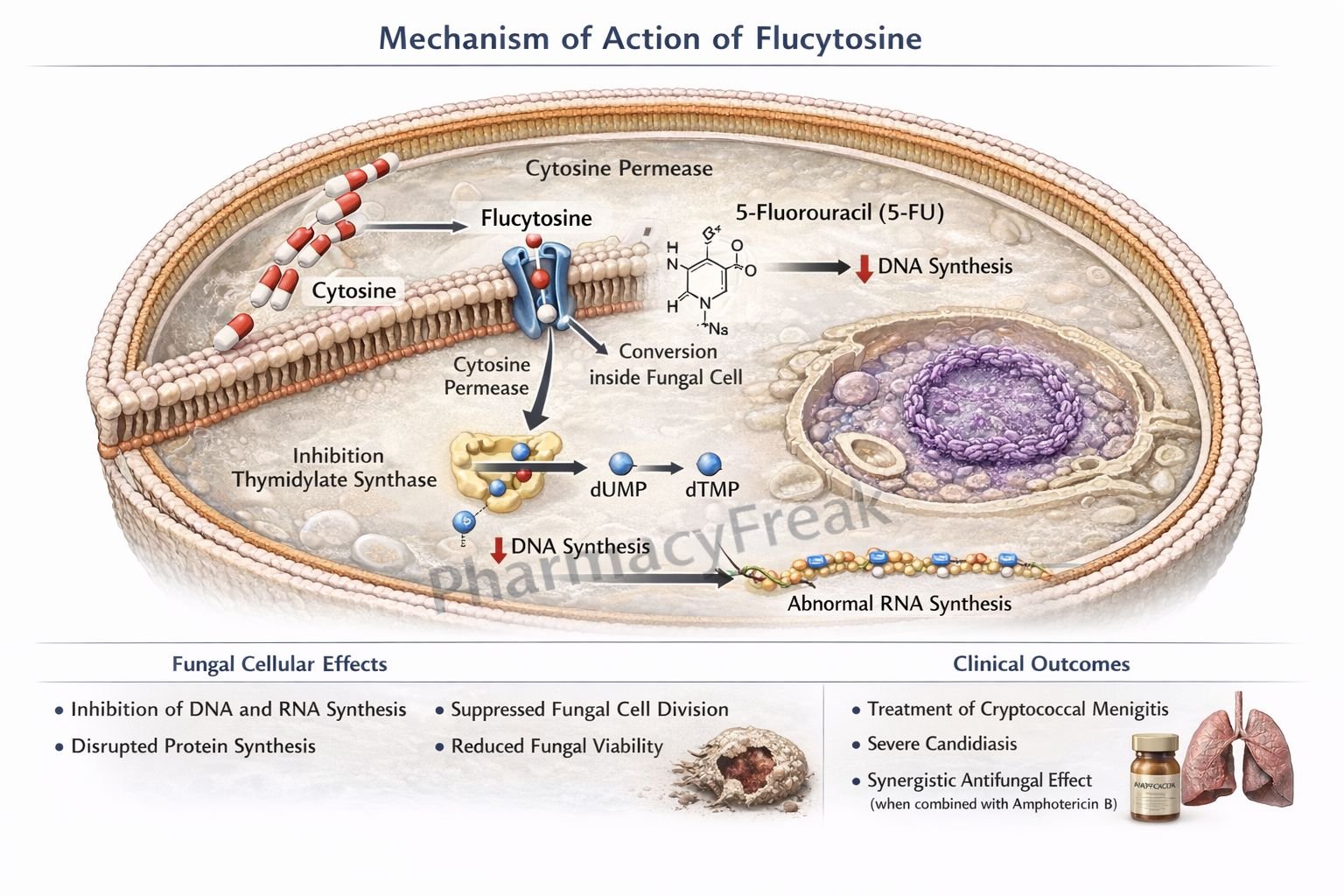
Mechanism of Action of Flucytosine

Mechanism of Action of Flucytosine

Introduction Flucytosine (5-fluorocytosine) is a fluorinated pyrimidine antifungal agent primarily used in combination therapy for serious systemic fungal infections. It is especially important in the treatment of cryptococcal meningitis and severe candidiasis, where it is commonly combined with amphotericin B to enhance efficacy and reduce resistance. Flucytosine is high-yield for exams due to its unique … Read more

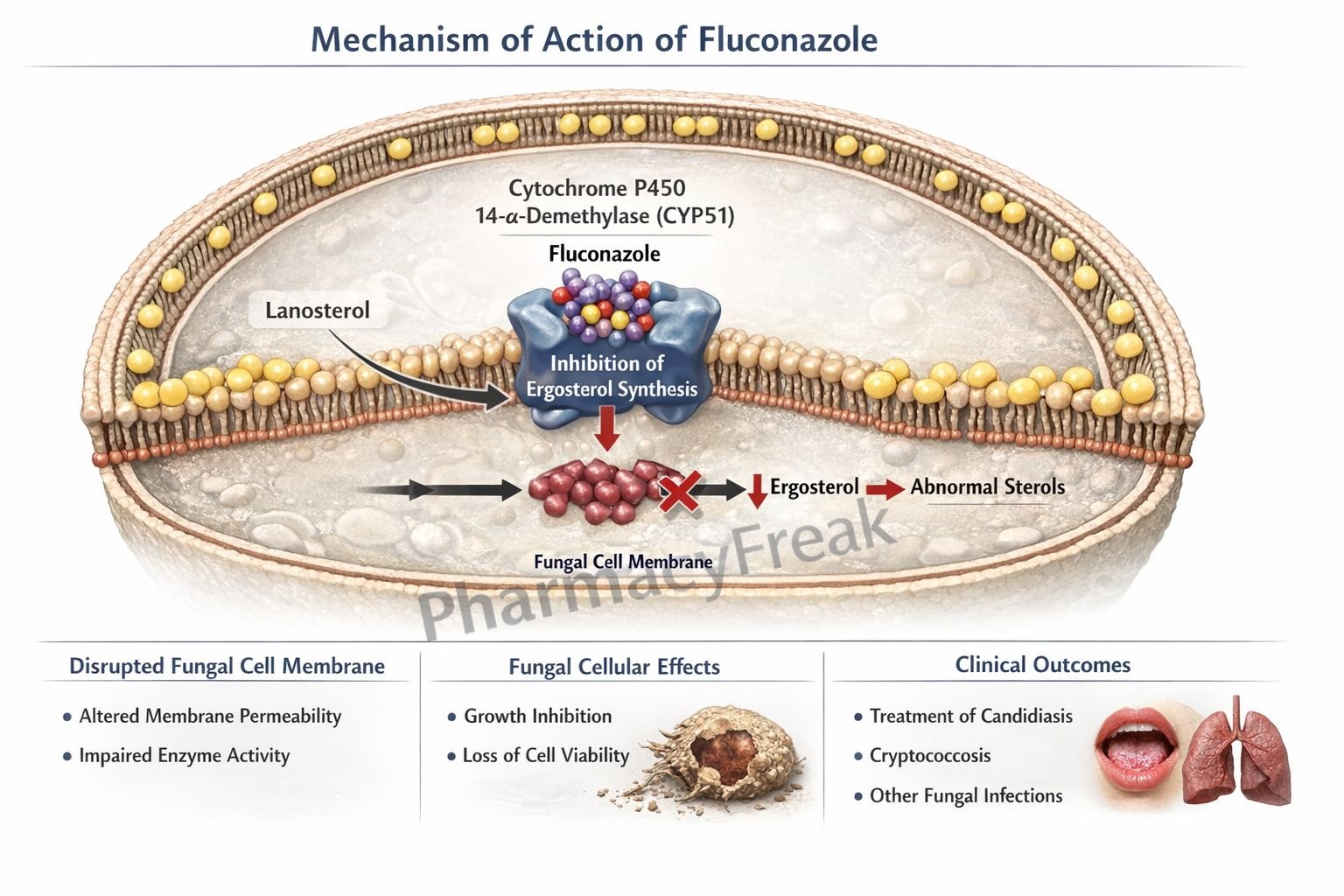
Mechanism of Action of Fluconazole

Mechanism of Action of Fluconazole

Introduction Fluconazole is a triazole antifungal agent widely used in the treatment and prophylaxis of systemic and superficial fungal infections. It is especially effective against Candida species and Cryptococcus neoformans. Fluconazole is high-yield for pharmacology and infectious disease examinations due to its selective inhibition of fungal sterol synthesis, excellent oral bioavailability, CNS penetration, and characteristic … Read more

PRO
Ad-Free Access
$3.99 / month
  • No Interruptions
  • Faster Page Loads
  • Support Content Creators