Trusted by 50K+ Pharmacy StudentsHigh Quality Notes, MCQs, Mock Tests & Study ResourcesGo Premium (Ads Free)
Pharmacy Freak

Cell junctions and their functions MCQs With Answer
Cell junctions and their functions MCQs With Answer

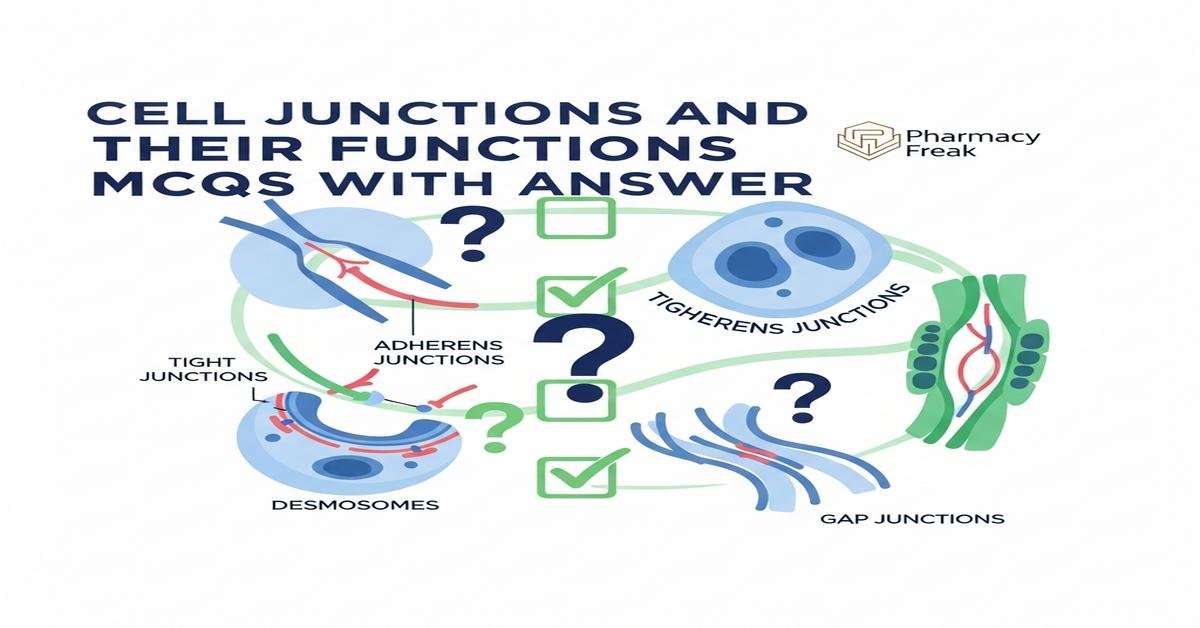
Cell junctions and their functions MCQs With Answer Cell junctions are specialized structures—tight junctions, adherens junctions, desmosomes, gap junctions and hemidesmosomes—that maintain epithelial integrity, mediate intercellular communication and control paracellular permeability. Understanding molecular components (claudins, occludin, cadherins, catenins, connexins, integrins) and their roles in tissue mechanics, barrier function, signal transduction and disease is essential for … Read more
Cell division and cell cycle MCQs With Answer

Cell division and cell cycle MCQs With Answer

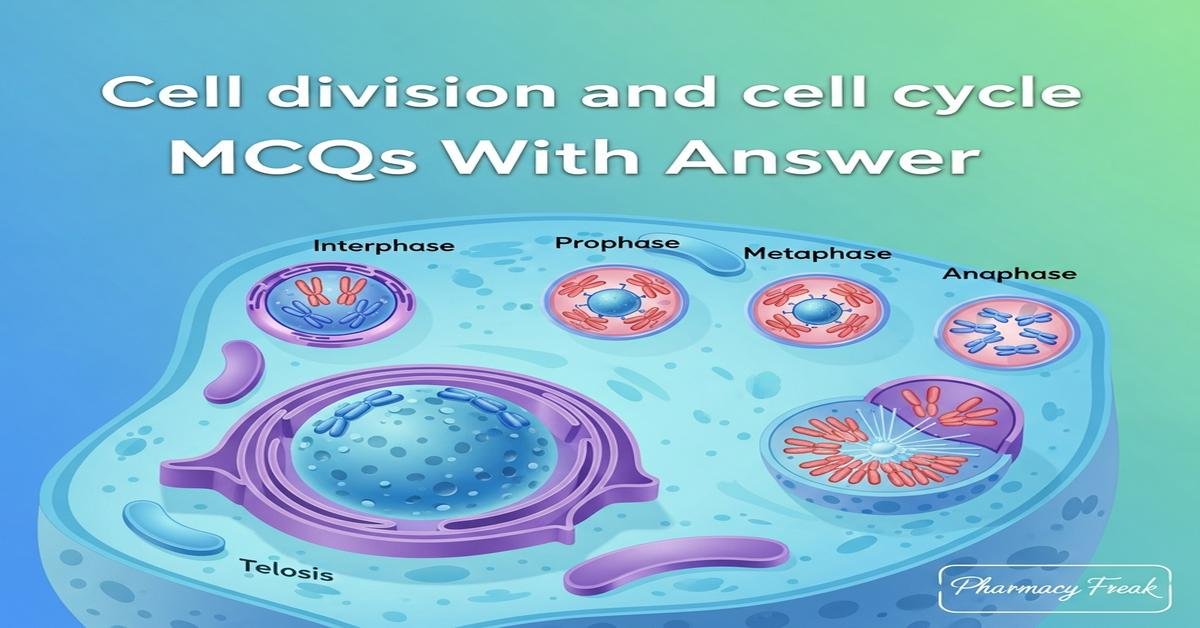
Cell division and cell cycle MCQs With Answer Cell division and the cell cycle are core topics for B.Pharm students, linking cellular biology to pharmacology, toxicology and cancer therapeutics. This set covers mitosis, meiosis, cytokinesis, cell cycle phases (G0, G1, S, G2, M), checkpoints, DNA replication, chromosome segregation, and regulation by cyclins, CDKs, p53, Rb … Read more

Transport mechanisms across the cell membrane MCQs With Answer

Transport mechanisms across the cell membrane MCQs With Answer

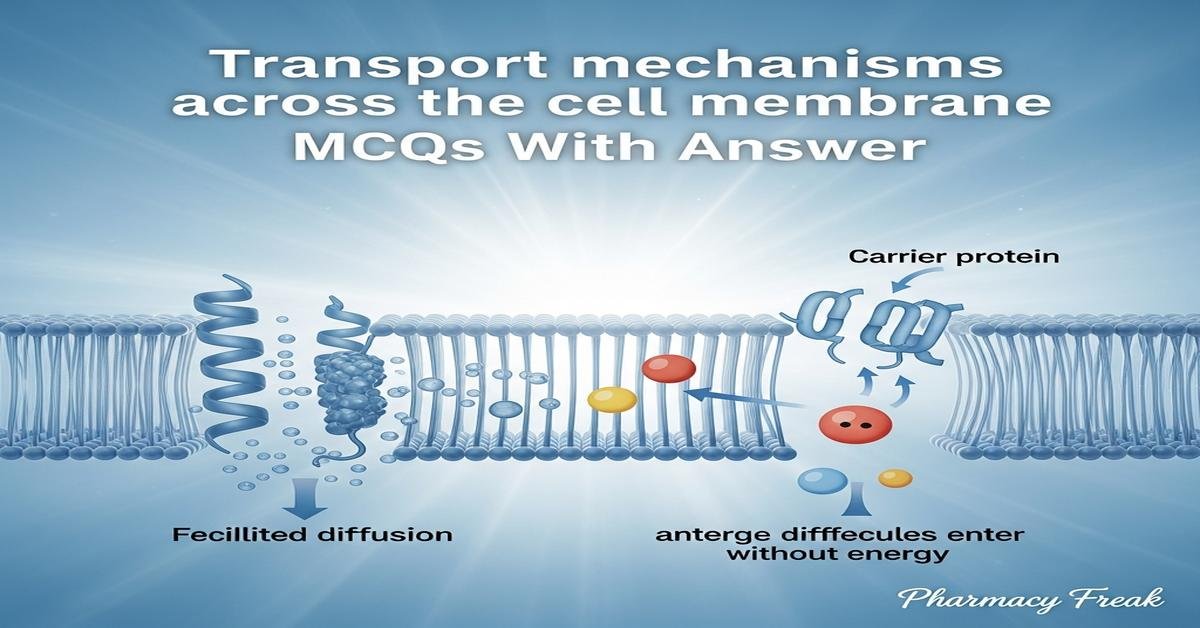
Transport mechanisms across the cell membrane are fundamental for drug absorption, distribution, and cellular homeostasis. This topic covers passive diffusion, facilitated diffusion, carrier-mediated transport, primary and secondary active transport, ion channels, uniport/symport/antiport systems, ATP-driven pumps (e.g., Na+/K+-ATPase), and vesicular processes like endocytosis and exocytosis. B.Pharm students must understand concentration and electrochemical gradients, membrane permeability, transport … Read more

Structure and functions of the cell MCQs With Answer

Structure and functions of the cell MCQs With Answer

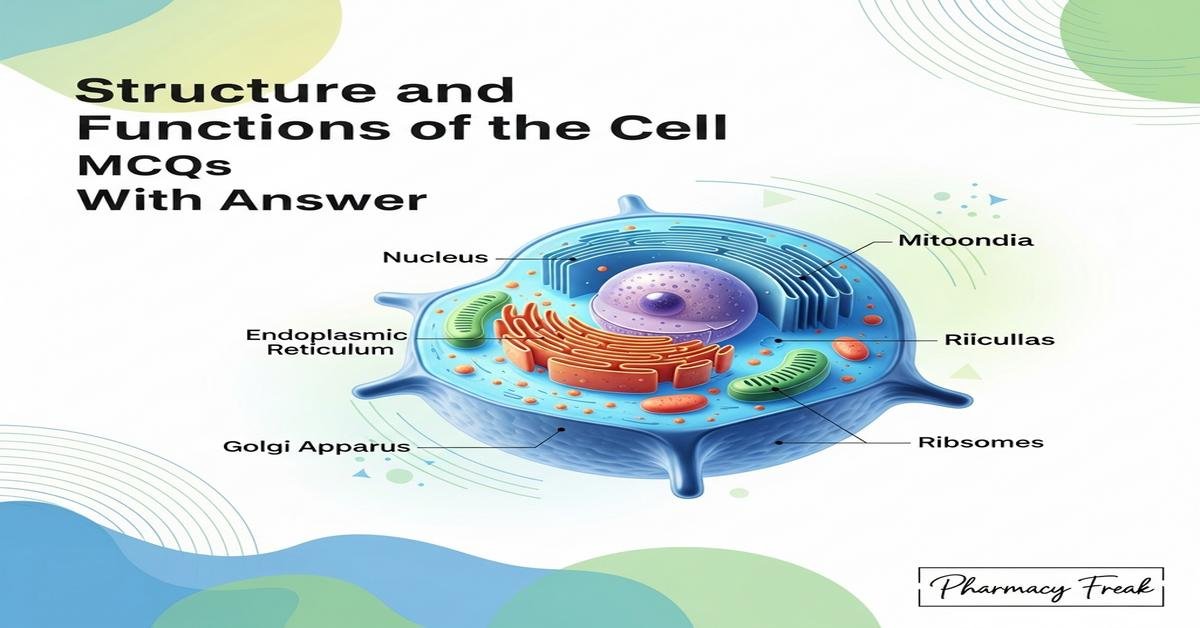
Understanding the structure and functions of the cell is essential for B.Pharm students, linking cell biology with pharmacology and drug action. This concise overview emphasizes organelles — nucleus, mitochondria, endoplasmic reticulum, Golgi apparatus, lysosomes — and core concepts such as cell membrane composition, membrane transport, signal transduction, cytoskeleton, and cell cycle. Mastery of cellular ultrastructure … Read more

Basic anatomical terminology MCQs With Answer

Basic anatomical terminology MCQs With Answer

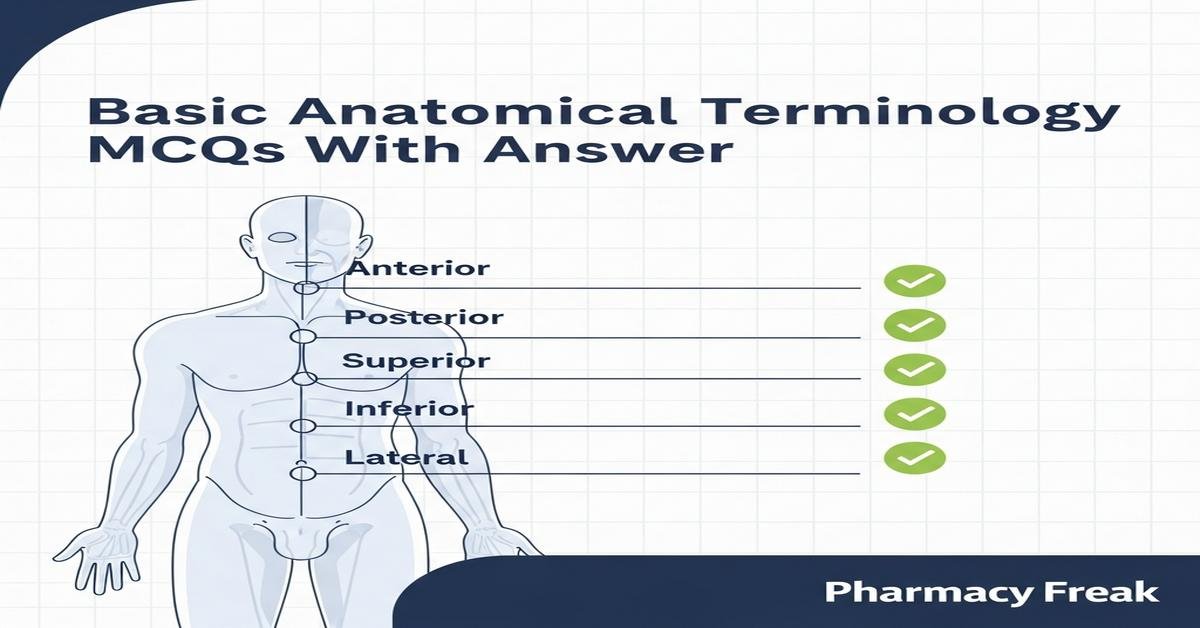
Basic anatomical terminology MCQs With Answer provides B. Pharm students with a focused review of essential anatomical terms, planes, directions, and regional vocabulary used in clinical practice and pharmacology. This concise, keyword-rich resource emphasizes anatomical position, directional terms (superior/inferior, medial/lateral, proximal/distal), body planes (sagittal, coronal, transverse), cavities, surface landmarks, and movement terminology—integral for drug administration, … Read more

Basic life processes and homeostasis MCQs With Answer

Basic life processes and homeostasis MCQs With Answer

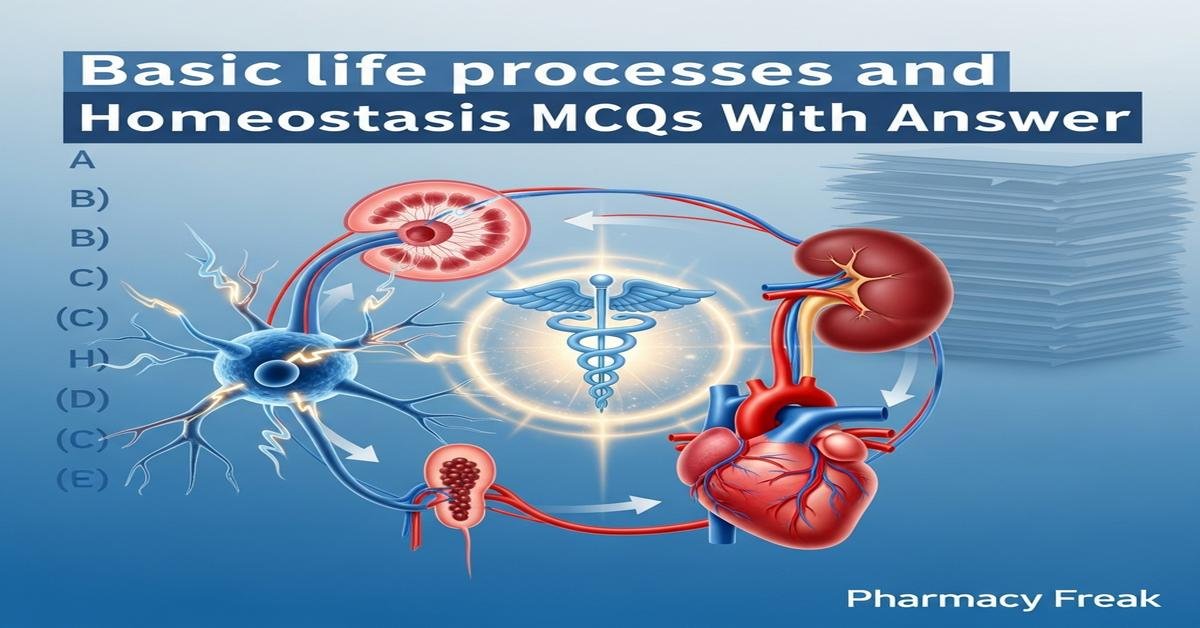
Mastering basic life processes and homeostasis is essential for B.Pharm students preparing for pharmacology, physiology and therapeutics. This collection of focused MCQs with answers covers cell physiology, membrane transport, diffusion, osmosis, active transport, enzyme kinetics, cellular respiration, ATP synthesis, metabolic pathways, fluid–electrolyte balance, acid–base regulation, hormonal control and feedback mechanisms that sustain internal stability. Questions … Read more

Levels of structural organization and body systems MCQs With Answer

Levels of structural organization and body systems MCQs With Answer

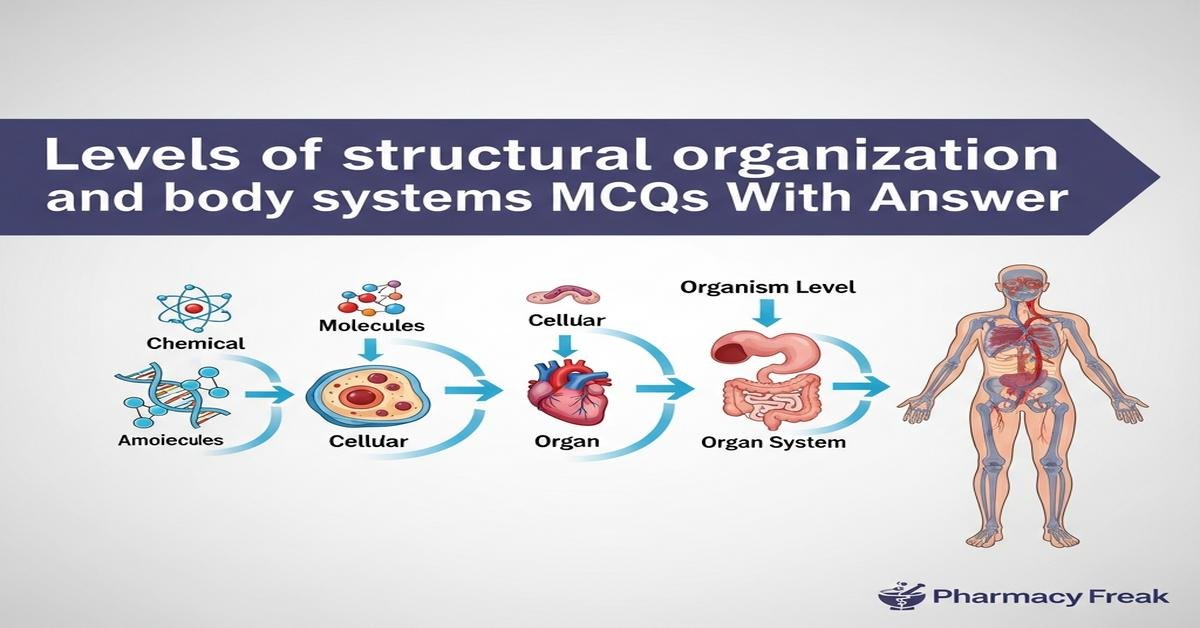
Understanding the levels of structural organization and body systems is essential for B.Pharm students who must link molecular action to organ-level drug effects. This concise introduction covers hierarchical levels — chemical/molecular, cellular, tissue, organ, organ system, and organism — and explores major body systems (cardiovascular, respiratory, nervous, endocrine, hepatic, renal, immune) relevant to pharmacology, ADME, … Read more

Definition and scope of anatomy and physiology MCQs With Answer

Definition and scope of anatomy and physiology MCQs With Answer

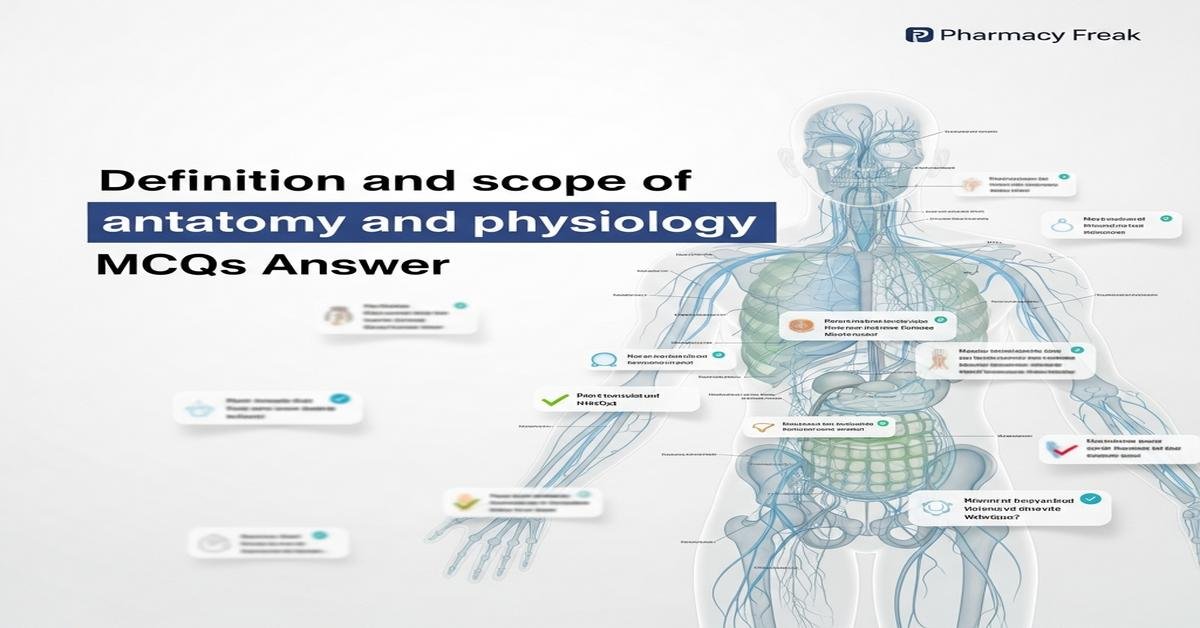
Introduction: The Definition and scope of anatomy and physiology MCQs With Answer for B. Pharm students clarifies how anatomy (structure) and physiology (function) interrelate across cells, tissues, organs and organ systems. This concise, clinically oriented overview emphasizes key concepts—cellular organization, histology, organ-system integration, homeostasis, and functional anatomy—essential for understanding pharmacology and drug action. Emphasis on … Read more

Introduction to human anatomy and physiology MCQs With Answer

Introduction to human anatomy and physiology MCQs With Answer

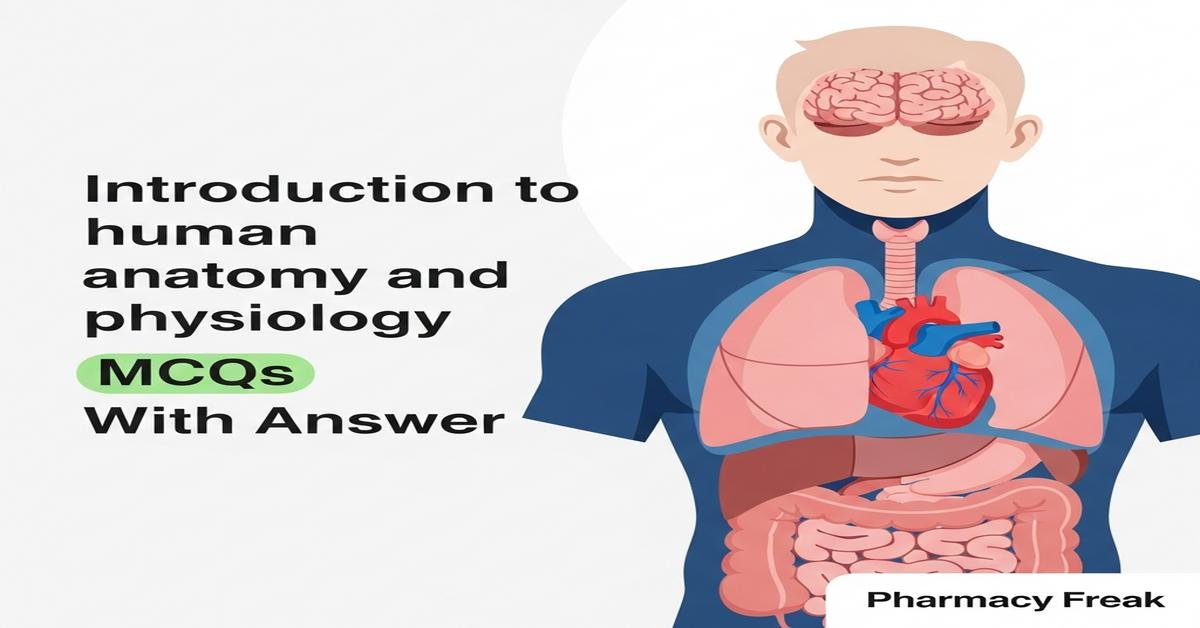
Introduction to human anatomy and physiology MCQs With Answer offers B.Pharm students a focused review of structural and functional principles essential for pharmacy practice. This concise guide emphasizes organ systems, cell physiology, homeostasis, neurophysiology, cardiovascular and renal mechanisms, endocrine regulation, and histology with clinical correlations relevant to pharmacology and therapeutics. Each multiple-choice question reinforces key … Read more

Text Information Management System (TIMS) MCQs With Answer

Text Information Management System (TIMS) MCQs With Answer

Text Information Management System (TIMS) MCQs With Answer Timely access to accurate text-based data is essential in pharmacy practice and research. A Text Information Management System (TIMS) organizes, indexes, retrieves, and analyzes clinical notes, regulatory documents, scientific literature, and drug monographs to support B. Pharm students and professionals. These TIMS MCQs cover architecture, indexing methods … Read more

PRO
Ad-Free Access
$3.99 / month
  • No Interruptions
  • Faster Page Loads
  • Support Content Creators