Trusted by 50K+ Pharmacy StudentsHigh Quality Notes, MCQs, Mock Tests & Study ResourcesGo Premium (Ads Free)
Pharmacy Freak

Mechanism of Action of Amlodipine (Calcium Channel Blocker)
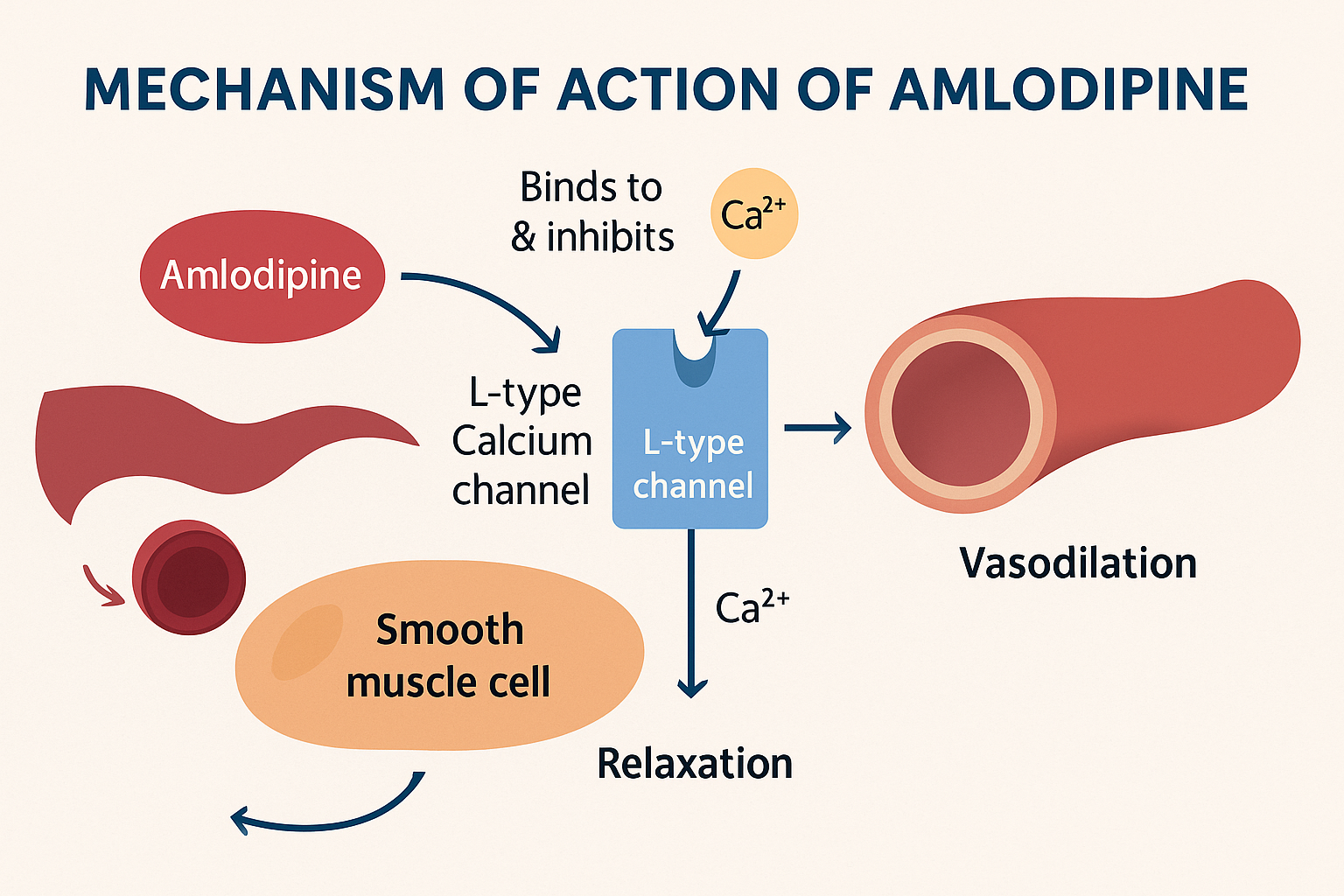
Amlodipine MOA – L-type calcium channel blocker causing vasodilation

Introduction Amlodipine is a commonly prescribed dihydropyridine calcium channel blocker (CCB) used in the treatment of hypertension, angina pectoris, and coronary artery disease. It works by relaxing vascular smooth muscle, leading to vasodilation and reduced blood pressure. With its once-daily dosing, long half-life, and minimal cardiac depression, it is a key drug in cardiovascular therapy. … Read more
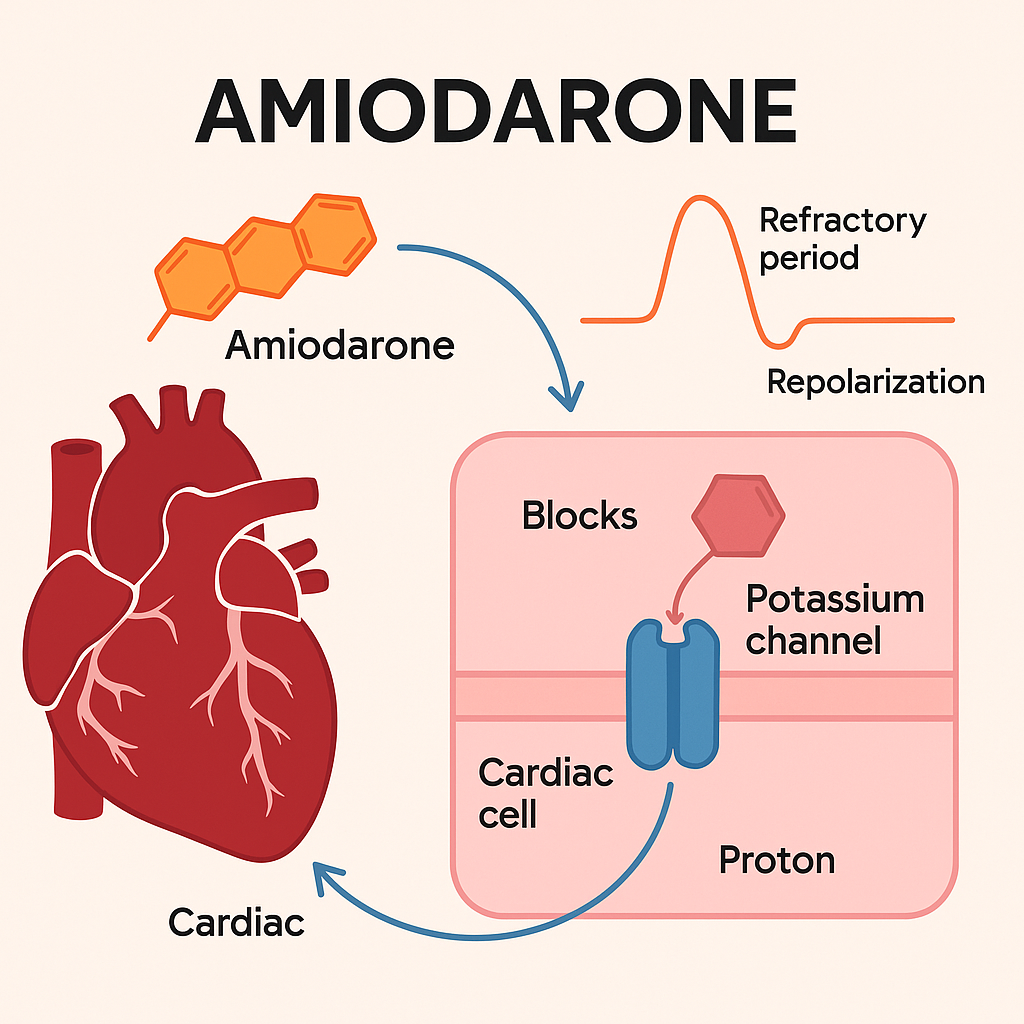
Mechanism of Action of Amiodarone (Class III Antiarrhythmic)

Amiodarone MOA – Multi-class antiarrhythmic with K⁺ channel blockade

Introduction Amiodarone is a powerful Class III antiarrhythmic agent used to treat various life-threatening cardiac arrhythmias, including ventricular tachycardia, ventricular fibrillation, and atrial fibrillation. It has a complex pharmacology, affecting multiple phases of the cardiac action potential and multiple ion channels. Due to its broad antiarrhythmic profile, multi-organ toxicity, and exam relevance, amiodarone is a … Read more

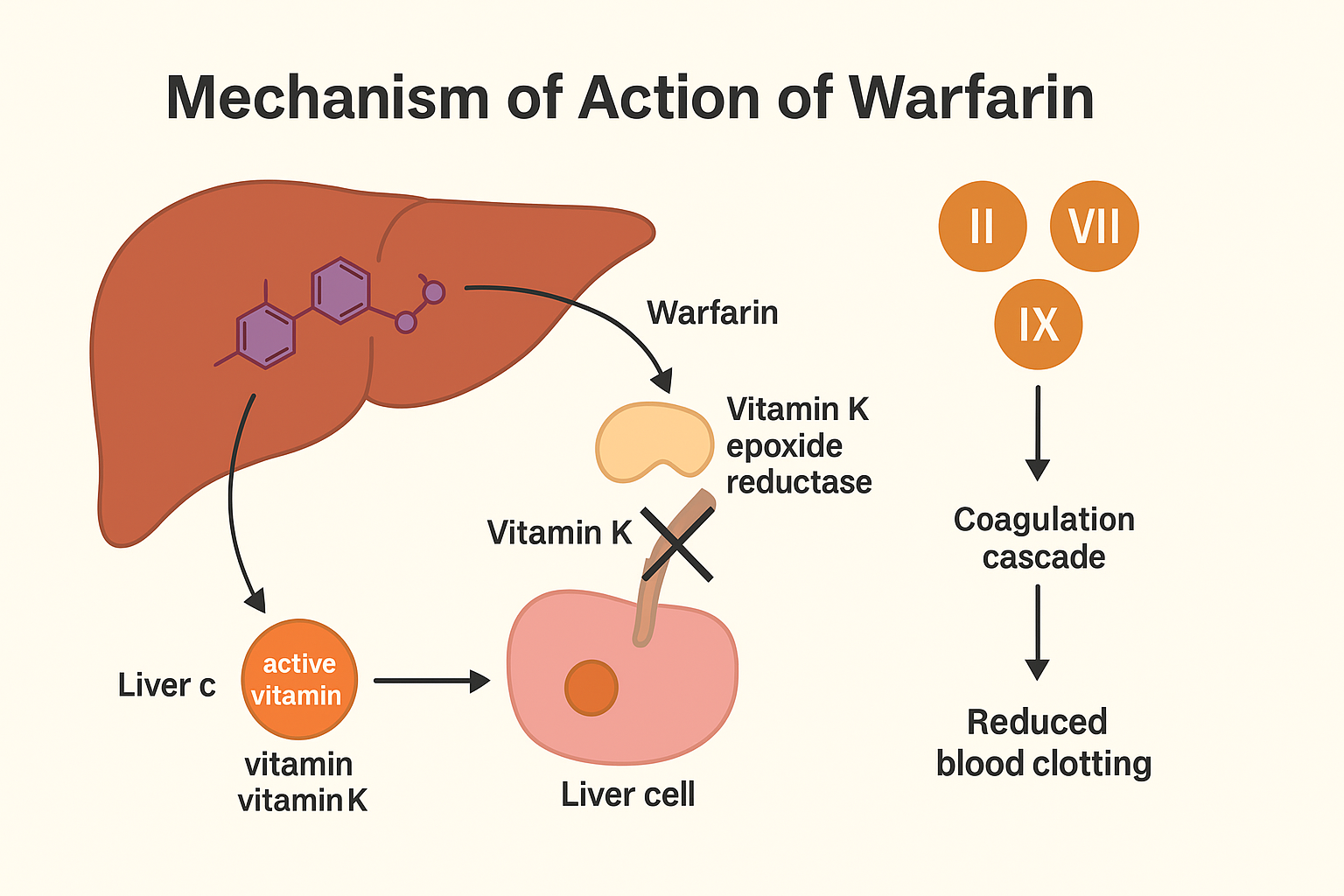
Mechanism of Action of Warfarin (Vitamin K Antagonist)

Warfarin MOA – Inhibition of vitamin K-dependent clotting factors

Introduction Warfarin is a widely used oral anticoagulant that inhibits the synthesis of vitamin K-dependent clotting factors. It is commonly prescribed for atrial fibrillation, deep vein thrombosis (DVT), pulmonary embolism, and prosthetic heart valves. Due to its narrow therapeutic window, multiple drug interactions, and the need for INR monitoring, warfarin is a high-yield topic for … Read more

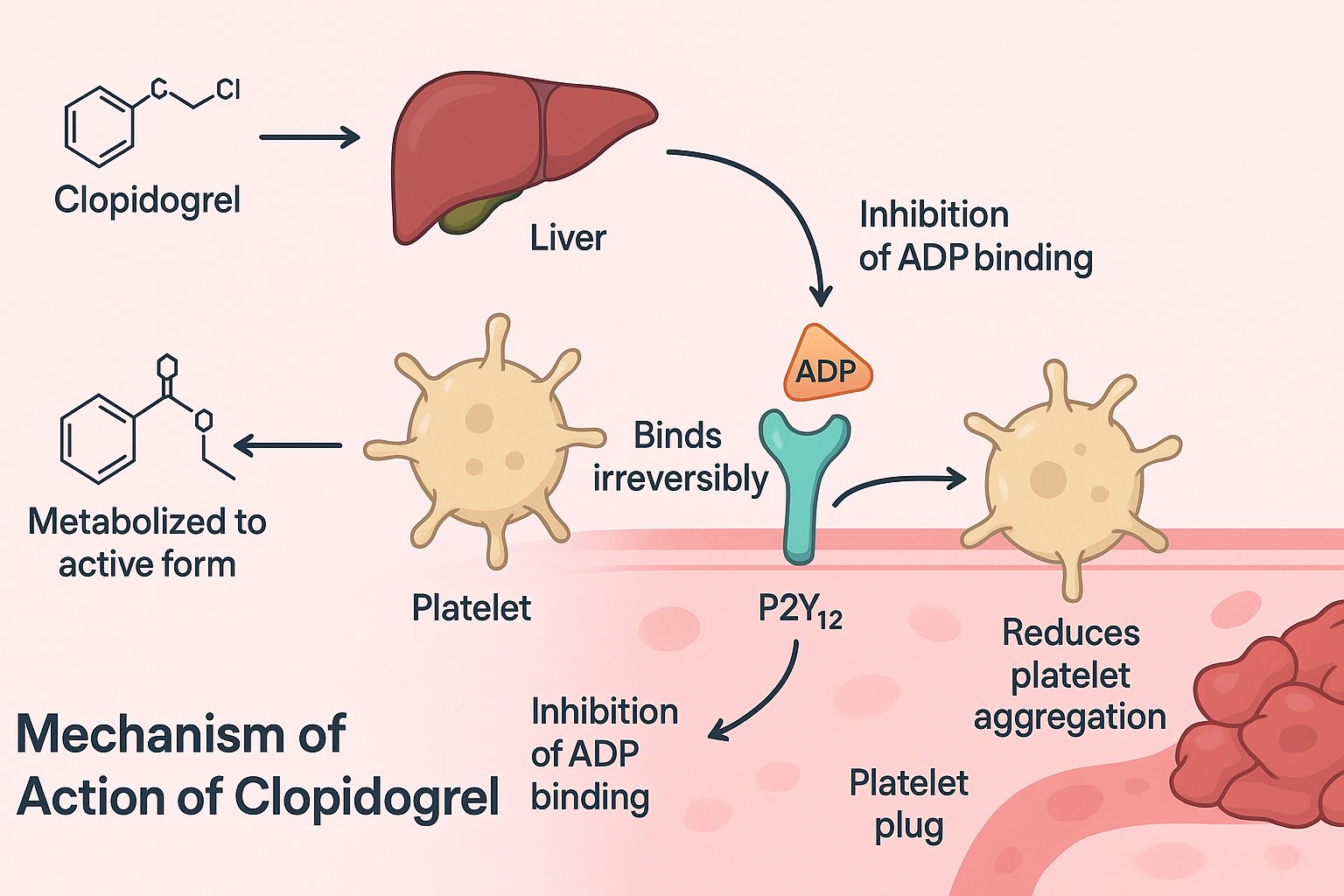
Mechanism of Action of Clopidogrel (Antiplatelet Agent)

Clopidogrel MOA – P2Y12 Receptor Inhibition on Platelets

Introduction Clopidogrel is a widely used oral antiplatelet drug belonging to the thienopyridine class. It plays a critical role in preventing thrombotic events such as myocardial infarction (MI) and ischemic stroke, especially in patients with coronary artery disease or those undergoing percutaneous coronary intervention (PCI). This drug is essential to understand for students preparing for … Read more

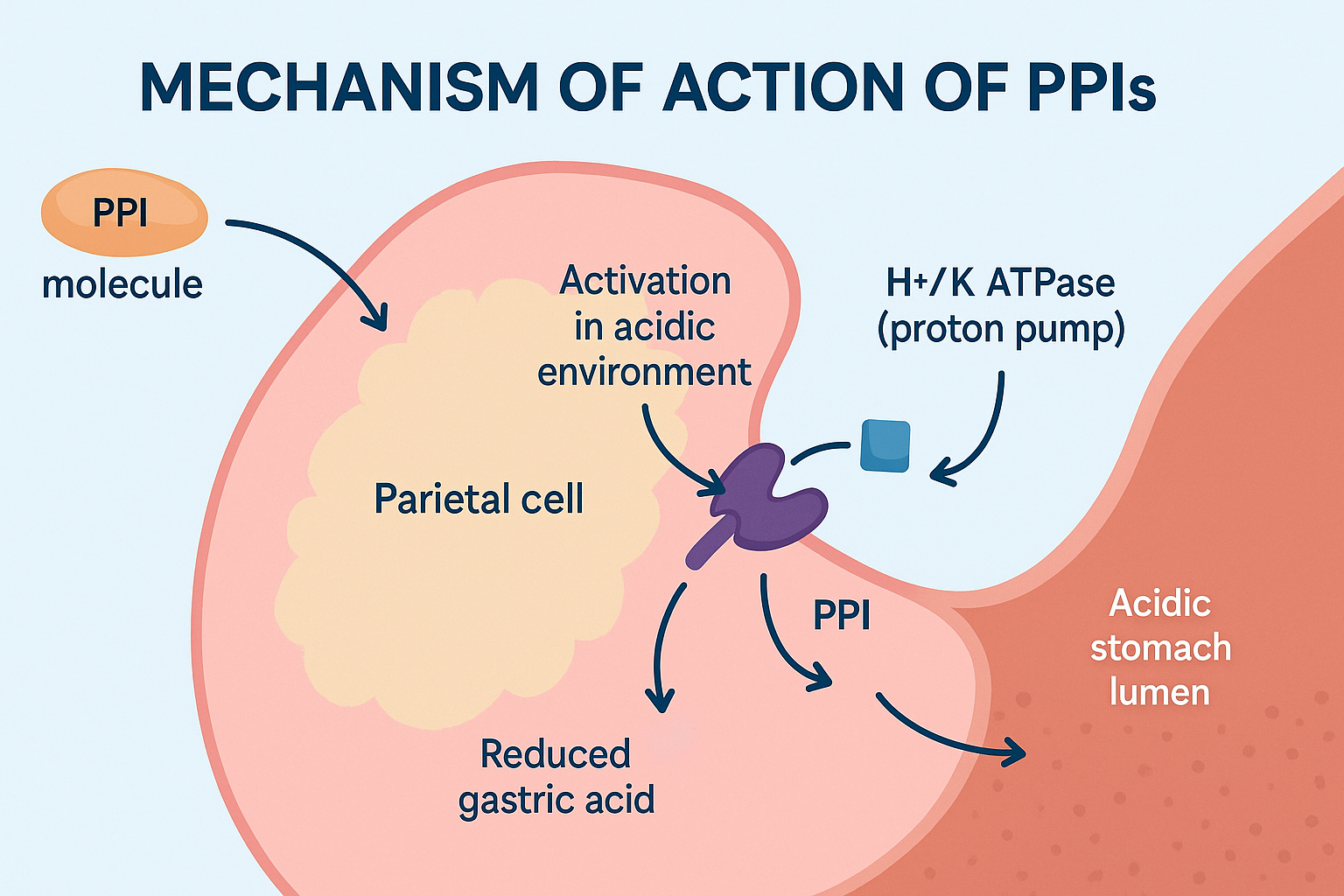
Mechanism of Action of Proton Pump Inhibitors (PPIs)

Proton Pump Inhibitor MOA – H⁺/K⁺ ATPase Inhibition

Introduction Proton Pump Inhibitors (PPIs) are potent acid-suppressing drugs widely used in the treatment of gastric and duodenal ulcers, GERD, Zollinger-Ellison syndrome, and for NSAID prophylaxis. Common PPIs include omeprazole, pantoprazole, esomeprazole, and lansoprazole. Their ability to irreversibly inhibit the H⁺/K⁺ ATPase enzyme in gastric parietal cells makes them high-yield for exams like USMLE, NCLEX, … Read more

Mechanism of Action of Benzodiazepines (CNS Depressants)

Benzodiazepine MOA – GABA-A receptor binding and chloride channel modulation

Introduction Benzodiazepines are a widely used class of central nervous system (CNS) depressants known for their anxiolytic, sedative, hypnotic, anticonvulsant, and muscle relaxant properties. Common agents include diazepam, lorazepam, alprazolam, and clonazepam. They enhance the action of gamma-aminobutyric acid (GABA) — the brain’s primary inhibitory neurotransmitter — making them essential drugs in psychiatry, neurology, and … Read more

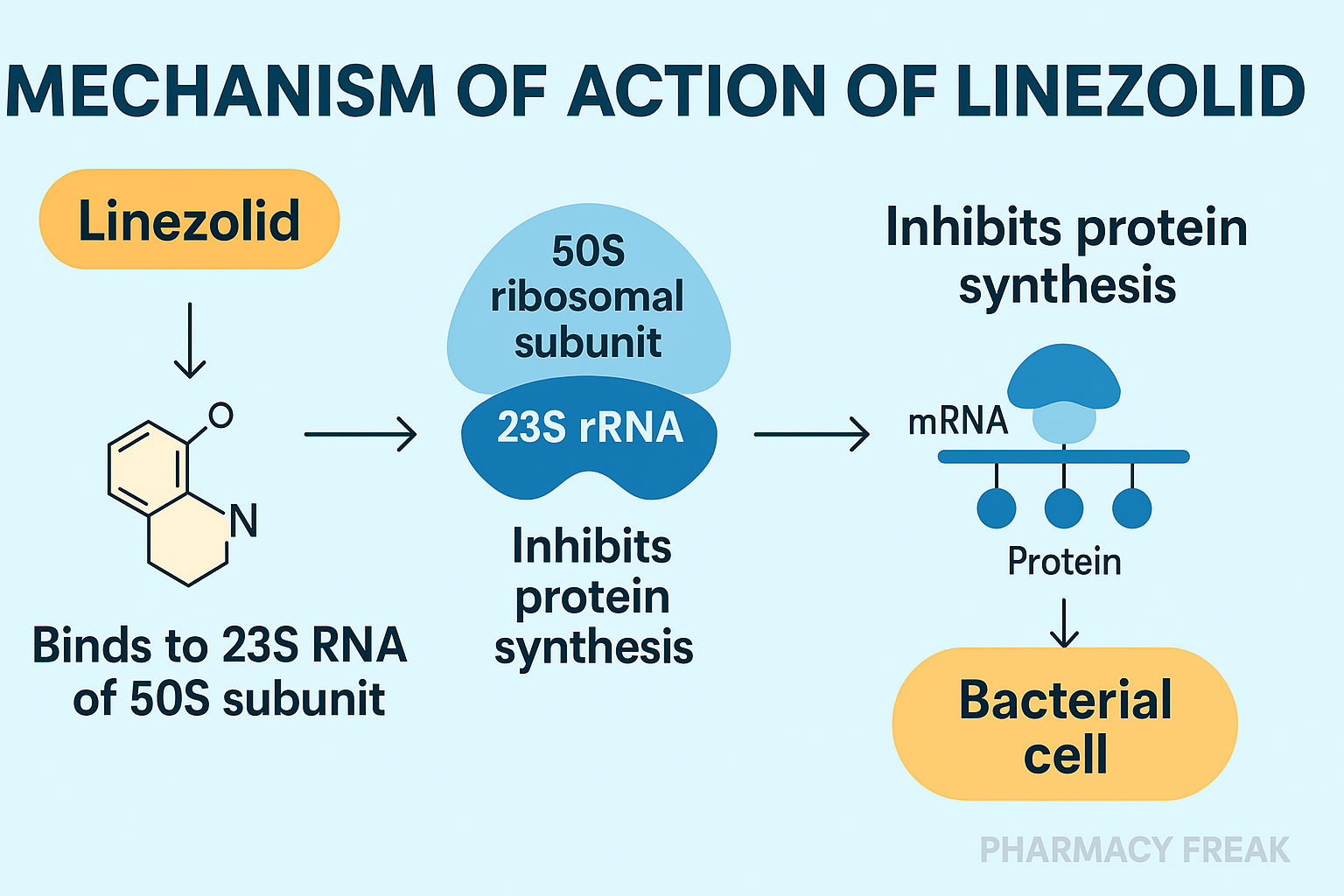
Mechanism of Action of Linezolid (Oxazolidinone Antibiotics)

Linezolid MOA – 50S ribosomal subunit and initiation inhibition

Introduction Linezolid is a synthetic bacteriostatic antibiotic belonging to the oxazolidinone class. It is primarily active against Gram-positive pathogens, including methicillin-resistant Staphylococcus aureus (MRSA), vancomycin-resistant Enterococci (VRE), and penicillin-resistant Streptococcus pneumoniae. Unlike other protein synthesis inhibitors, Linezolid binds to the 50S ribosomal subunit and blocks the initiation step of protein synthesis, making its mechanism unique … Read more

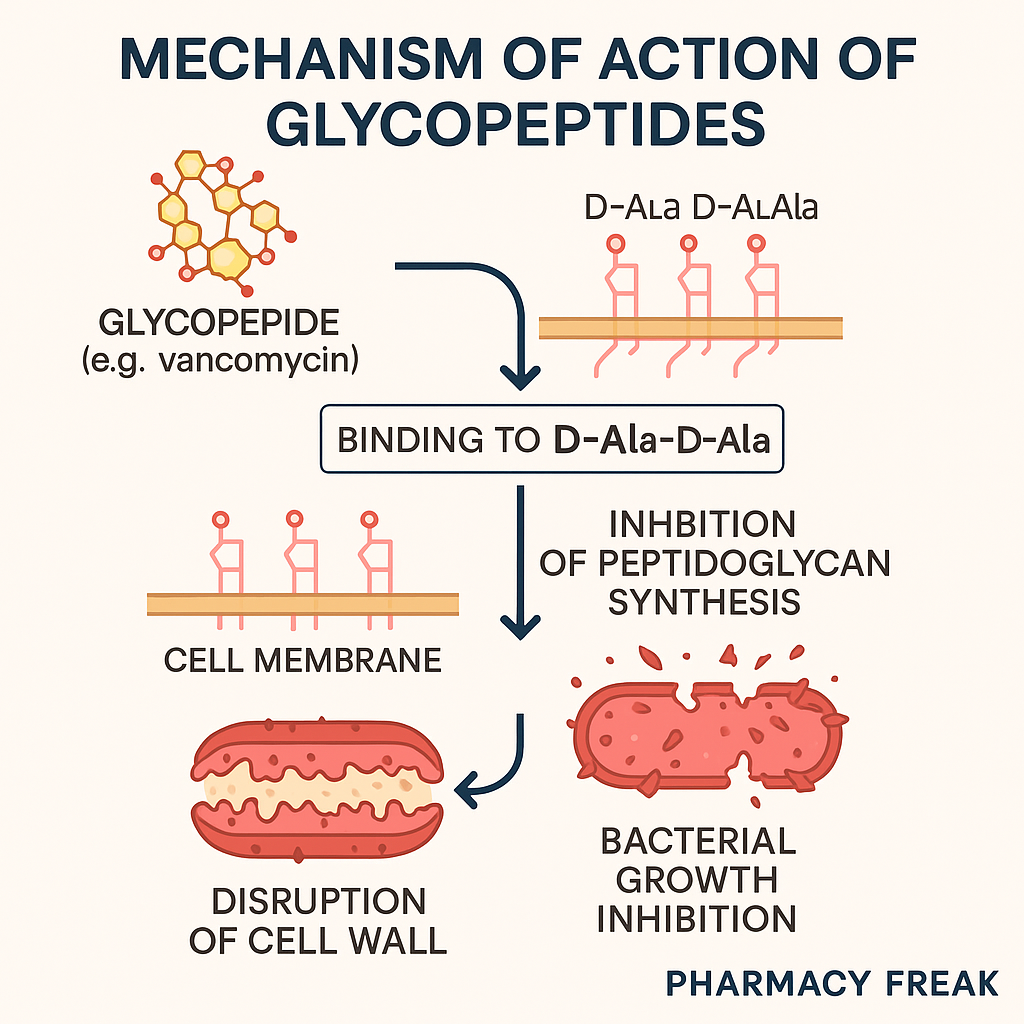
Mechanism of Action of Glycopeptides (e.g., Vancomycin)

Vancomycin MOA – D-Ala-D-Ala binding and peptidoglycan inhibition

Introduction Glycopeptides, most notably vancomycin, are a class of bactericidal antibiotics that inhibit bacterial cell wall synthesis by a mechanism distinct from β-lactams. Vancomycin is a crucial agent against Gram-positive infections, especially methicillin-resistant Staphylococcus aureus (MRSA) and Clostridium difficile. These antibiotics are vital for USMLE, NCLEX, GPAT, and NEET-PG due to their life-saving role, narrow … Read more

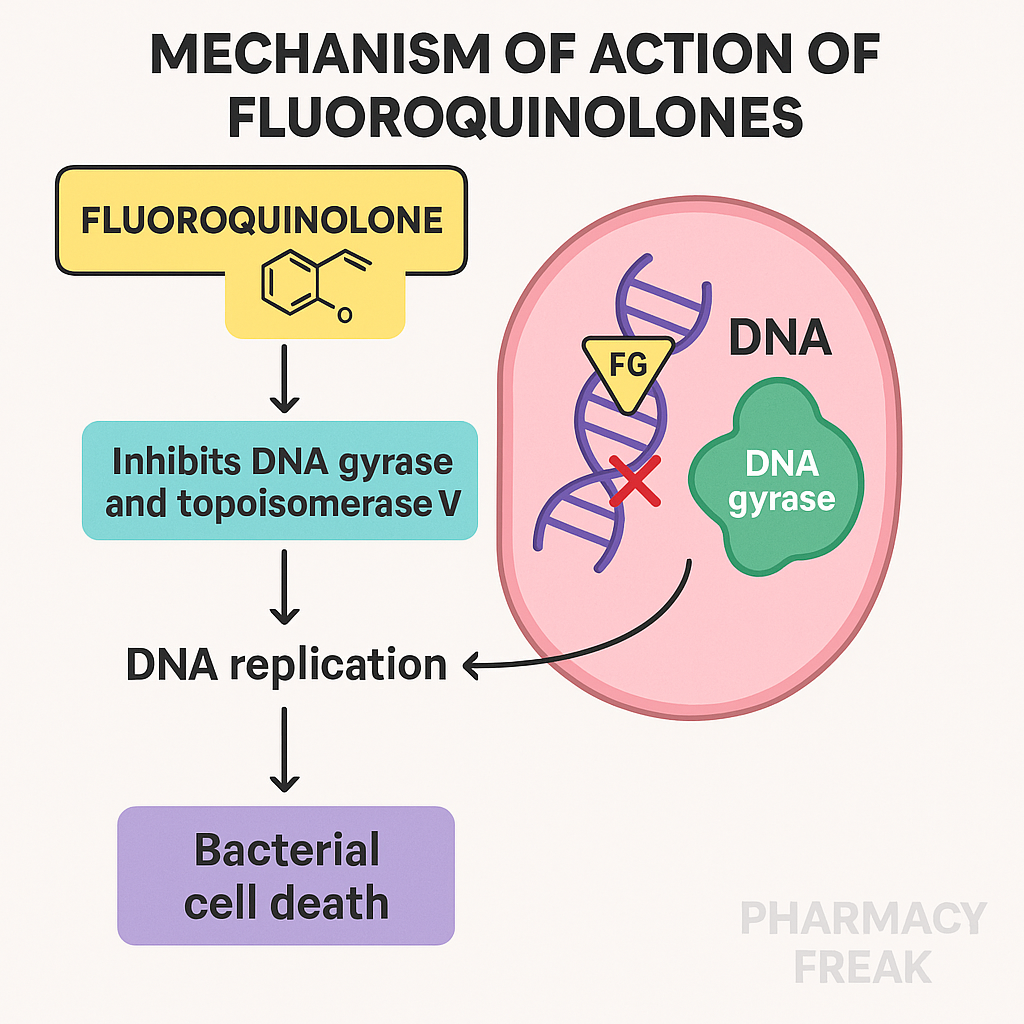
Mechanism of Action of Fluoroquinolones (DNA Gyrase and Topoisomerase Inhibitors)

Fluoroquinolone MOA – Inhibition of DNA gyrase and topoisomerase

Introduction Fluoroquinolones are a powerful class of bactericidal antibiotics that inhibit bacterial DNA replication. They are widely used to treat urinary tract infections (UTIs), respiratory infections, gastrointestinal infections, and sexually transmitted diseases. Common agents include ciprofloxacin, levofloxacin, and moxifloxacin. They exhibit broad-spectrum activity against Gram-positive, Gram-negative, and atypical organisms. Because of their unique mechanism of … Read more

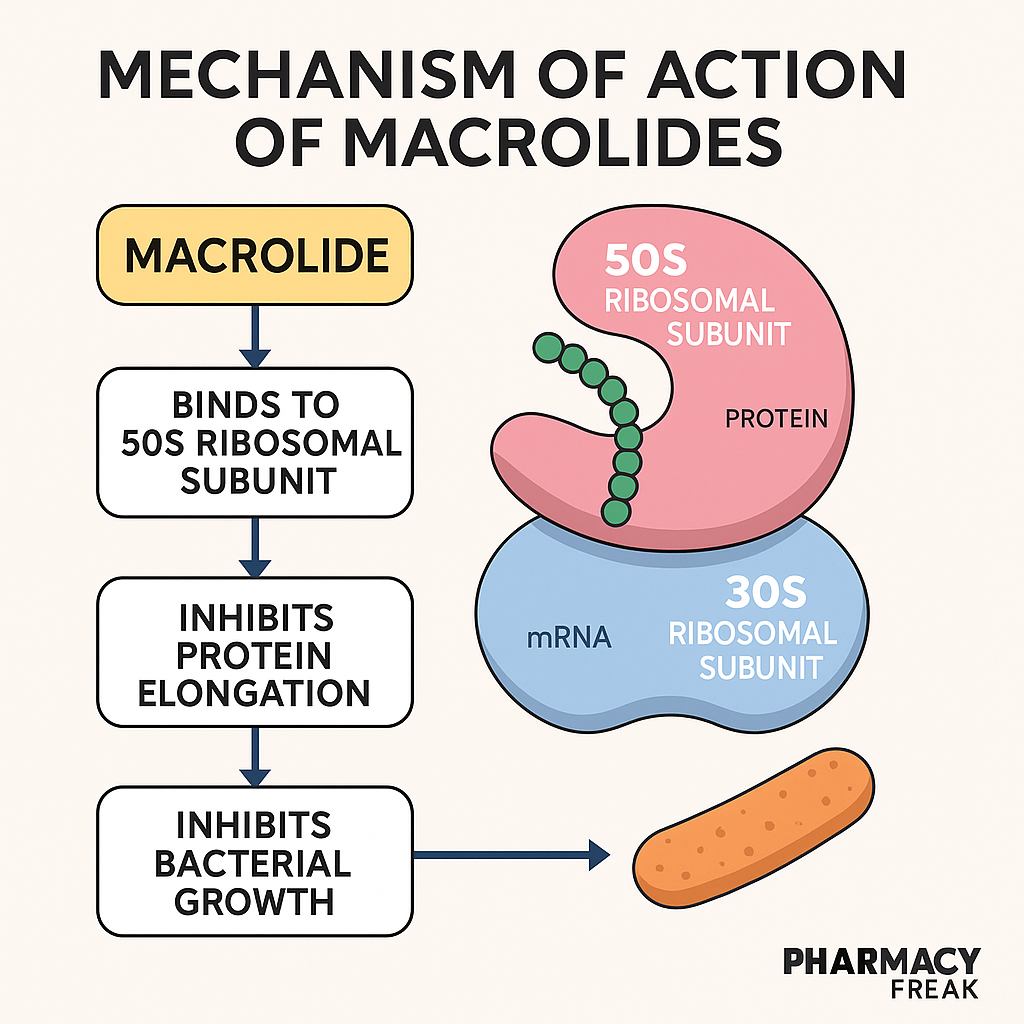
Mechanism of Action of Macrolides (Protein Synthesis Inhibitor Antibiotics)

Macrolide MOA – 50S ribosome binding and protein synthesis inhibition

Introduction Macrolides are a widely used class of bacteriostatic antibiotics that inhibit bacterial protein synthesis. They are especially effective against Gram-positive cocci, atypical organisms, and some Gram-negative pathogens. Common macrolides include erythromycin, azithromycin, and clarithromycin. Their use extends to respiratory tract infections, STDs, and skin infections, with azithromycin being a favorite due to its long … Read more

PRO
Ad-Free Access
$3.99 / month
  • No Interruptions
  • Faster Page Loads
  • Support Content Creators