Mechanism of Action of Daptomycin
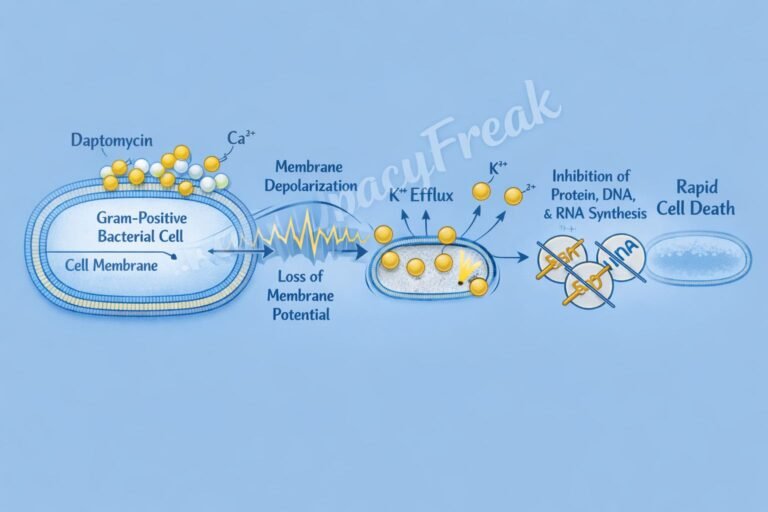
Introduction Daptomycin is a cyclic lipopeptide antibiotic with potent activity against Gram-positive bacteria, including multidrug-resistant organisms such as … Read more
 Pharmacy Freak Editorial Team
Introduction Daptomycin is a cyclic lipopeptide antibiotic with potent activity against Gram-positive bacteria, including multidrug-resistant organisms such as … Read more
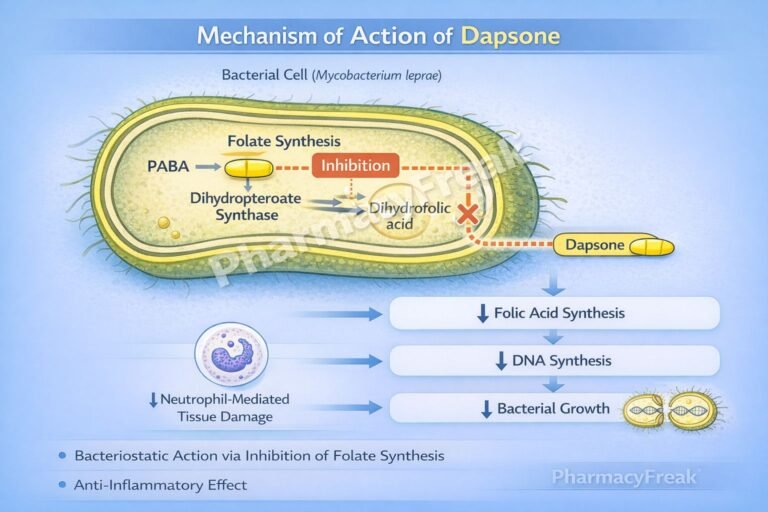
Introduction Dapsone (diaminodiphenyl sulfone) is a synthetic sulfone antibiotic with antibacterial, anti-inflammatory, and immunomodulatory properties. It is most … Read more

Introduction Dantrolene is a direct-acting skeletal muscle relaxant uniquely used in the management of malignant hyperthermia, neuroleptic malignant … Read more
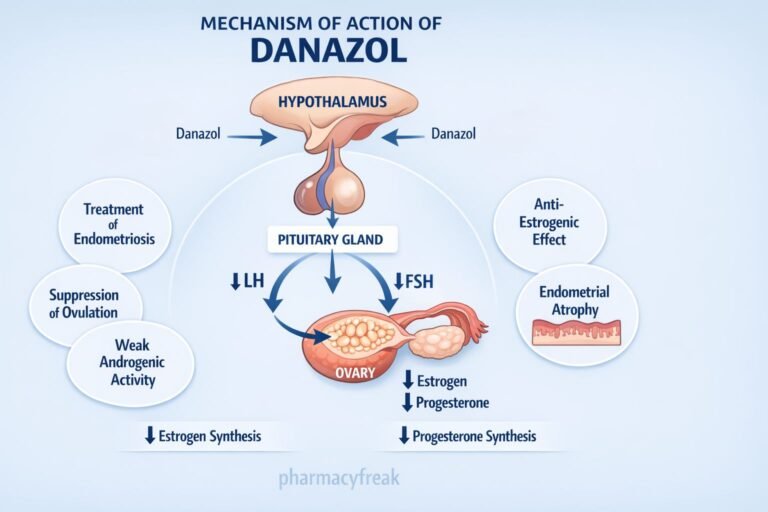
Introduction Danazol is a synthetic isoxazole derivative of 17-α-ethinyl testosterone with antigonadotropic, antiestrogenic, and weak androgenic properties. It … Read more
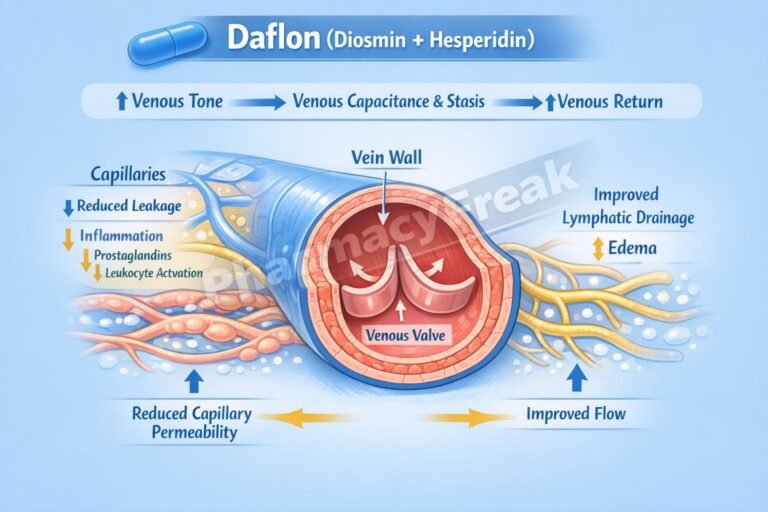
Introduction Daflon is a micronized purified flavonoid fraction (MPFF) widely used in the management of chronic venous disorders … Read more

Introduction Cytarabine (also known as cytosine arabinoside or Ara-C) is a pyrimidine antimetabolite chemotherapeutic agent primarily used in … Read more
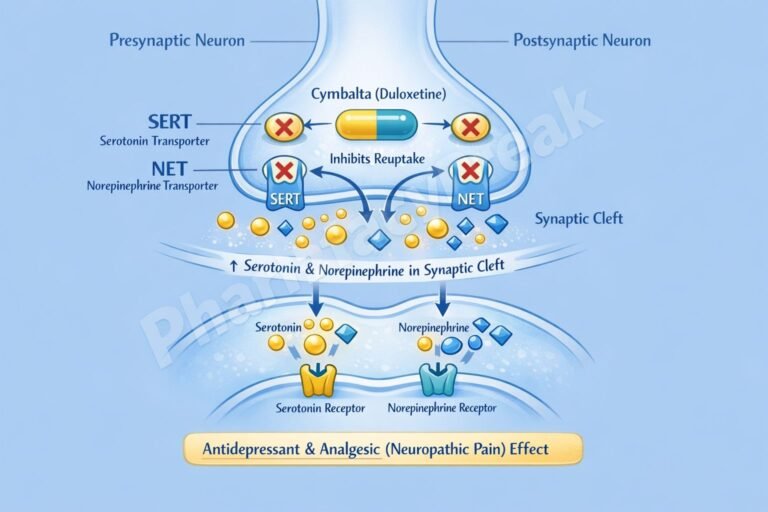
Introduction Cymbalta is the brand name for duloxetine, a serotonin–norepinephrine reuptake inhibitor (SNRI) widely used in the treatment … Read more
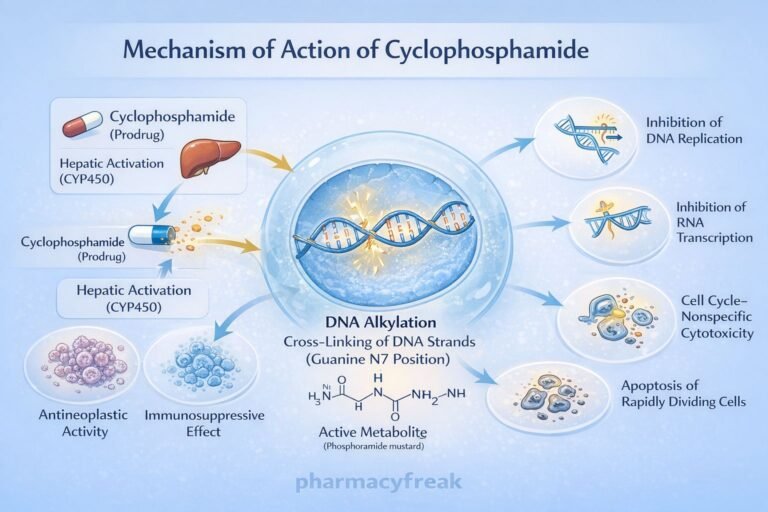
Introduction Cyclophosphamide is a nitrogen mustard–derived alkylating agent widely used in oncology and immunosuppressive therapy. It is classified … Read more
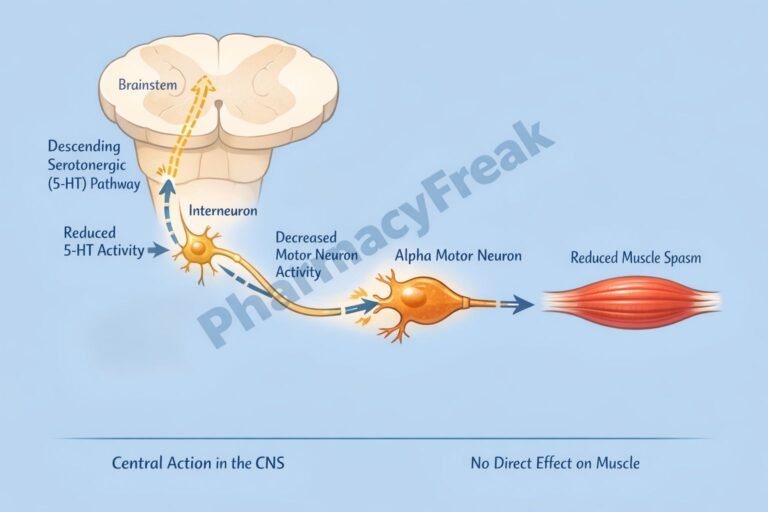
Introduction Cyclobenzaprine is a centrally acting skeletal muscle relaxant commonly prescribed for the short-term management of acute musculoskeletal … Read more

Introduction Cyclizine is a first-generation antihistamine belonging to the piperazine class, primarily used as an antiemetic and antivertigo … Read more