Mechanism of Action of Fluoroquinolones
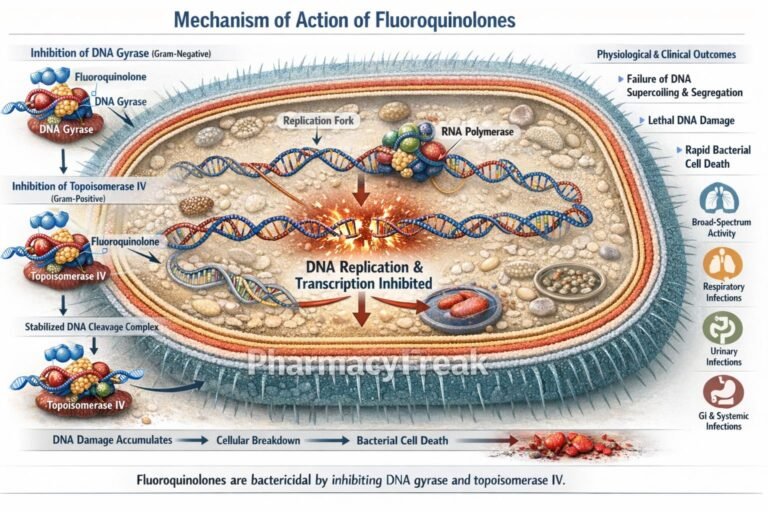
Introduction Fluoroquinolones are a broad-spectrum class of synthetic antibacterial agents widely used in the treatment of gram-negative, gram-positive, … Read more
Introduction Fluoroquinolones are a broad-spectrum class of synthetic antibacterial agents widely used in the treatment of gram-negative, gram-positive, … Read more
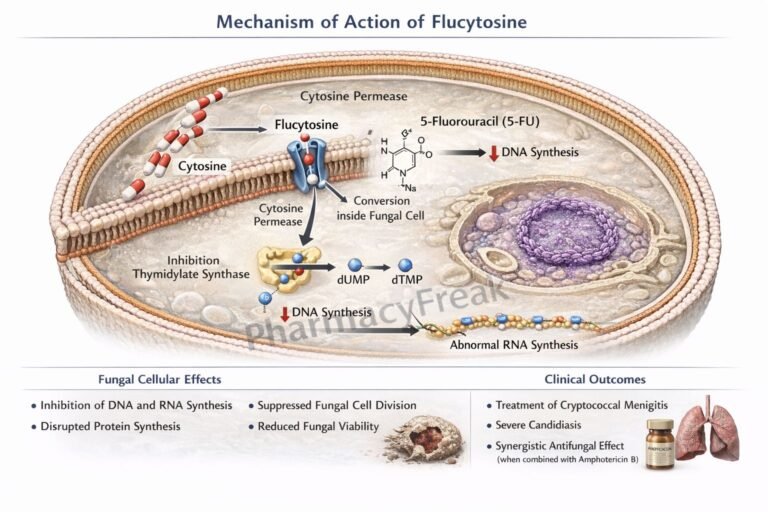
Introduction Flucytosine (5-fluorocytosine) is a fluorinated pyrimidine antifungal agent primarily used in combination therapy for serious systemic fungal … Read more
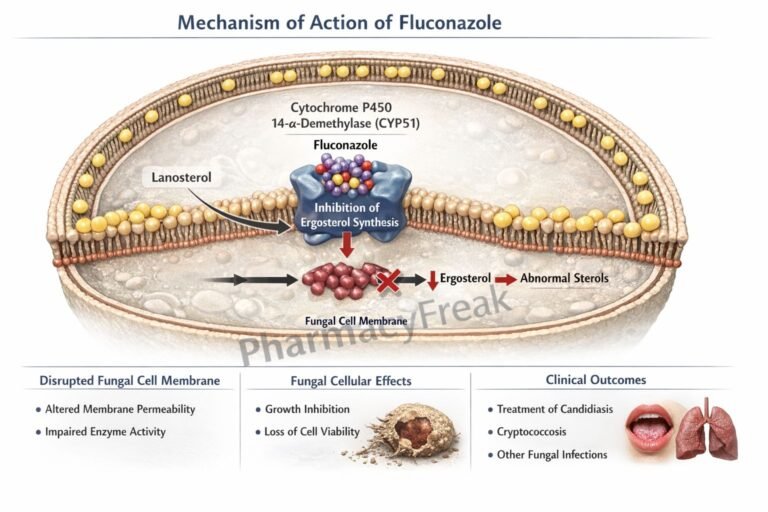
Introduction Fluconazole is a triazole antifungal agent widely used in the treatment and prophylaxis of systemic and superficial … Read more
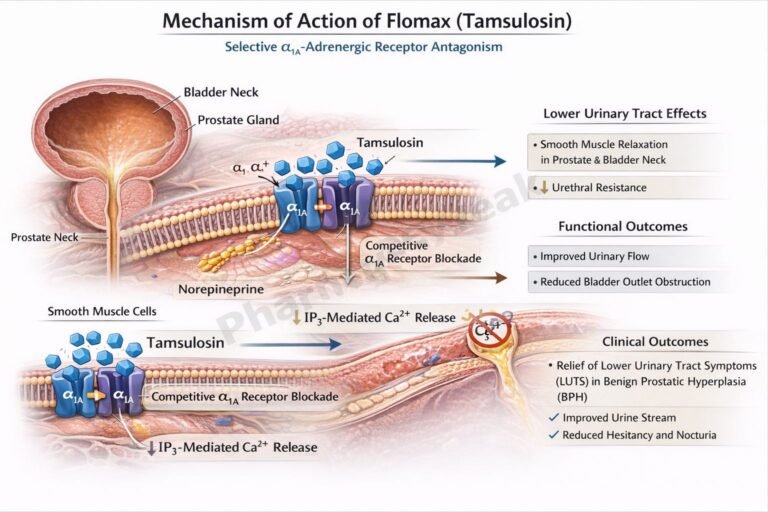
Introduction Flomax is the brand name for tamsulosin, a selective α₁-adrenergic receptor antagonist used primarily in the management … Read more
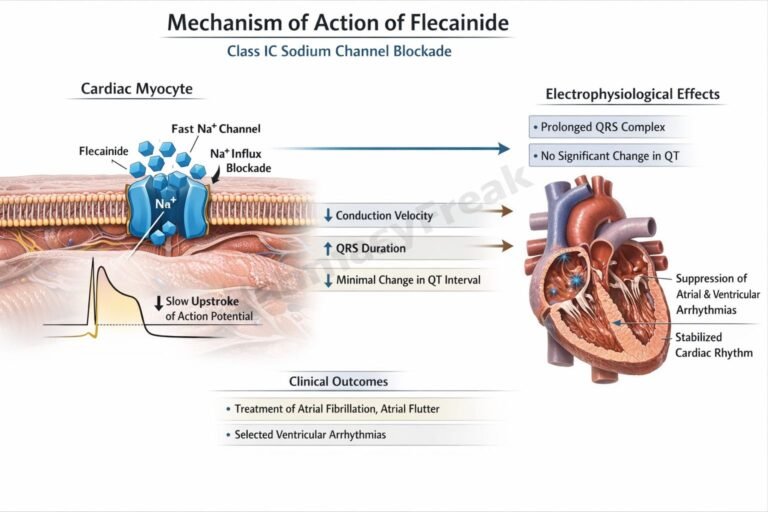
Introduction Flecainide is a Class IC antiarrhythmic drug used in the management of supraventricular and selected ventricular arrhythmias. … Read more
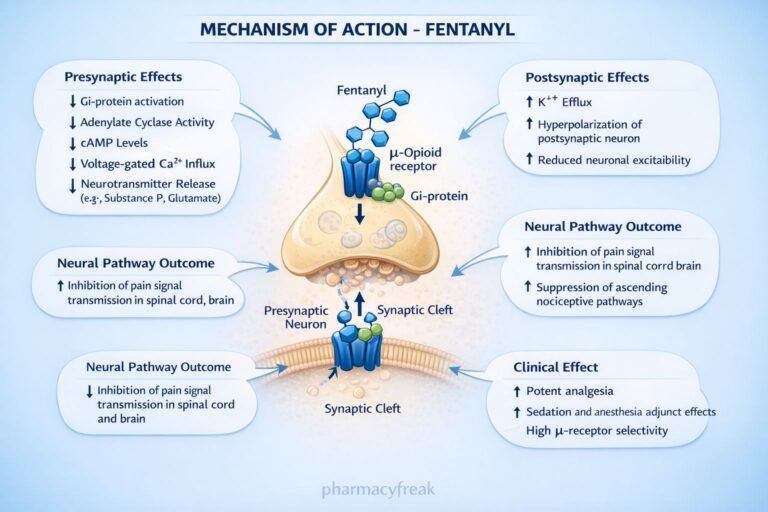
Introduction Fentanyl is a potent synthetic opioid analgesic belonging to the phenylpiperidine class. It is approximately 50–100 times … Read more
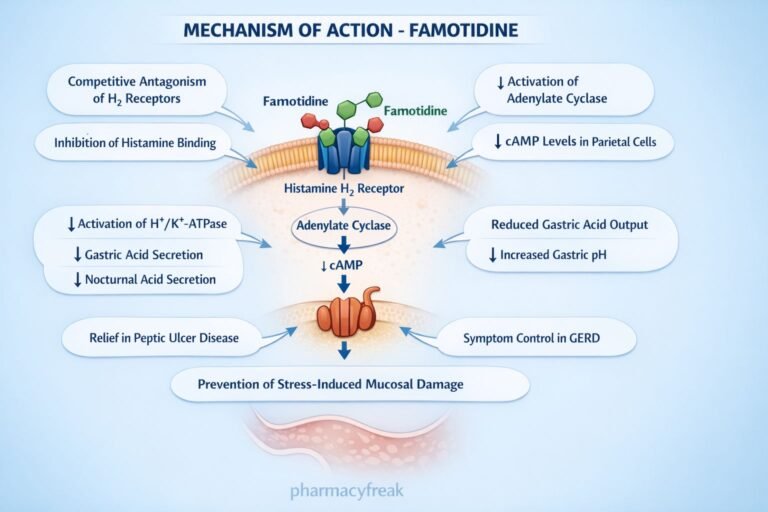
Introduction Famotidine is a histamine H₂-receptor antagonist (H₂ blocker) used in the management of acid-related gastrointestinal disorders. It … Read more
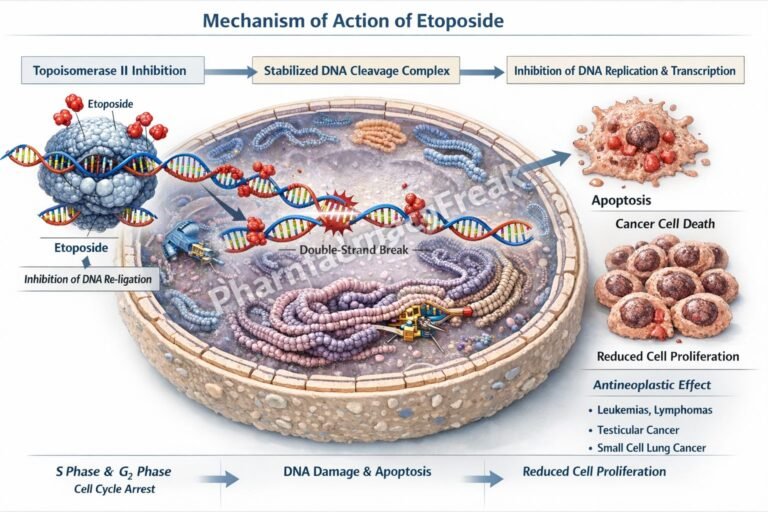
Introduction Etoposide is a semisynthetic podophyllotoxin derivative widely used as an antineoplastic agent in the treatment of various … Read more
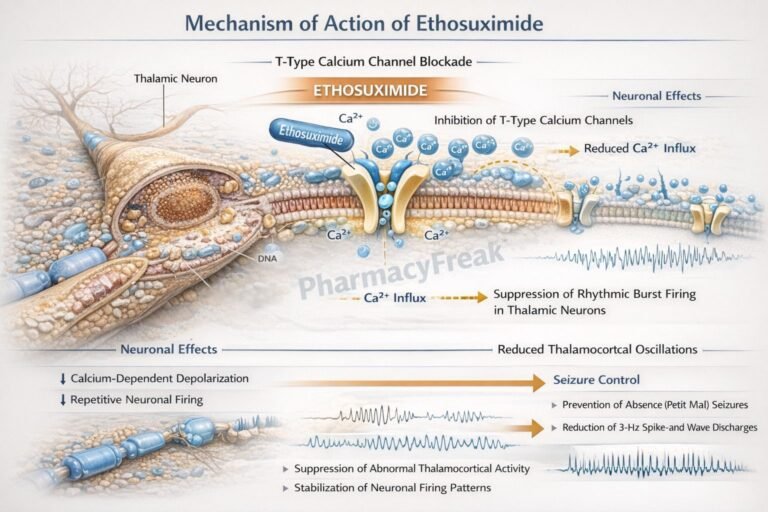
Introduction Ethosuximide is an antiepileptic drug primarily used in the management of absence (petit mal) seizures. It is … Read more
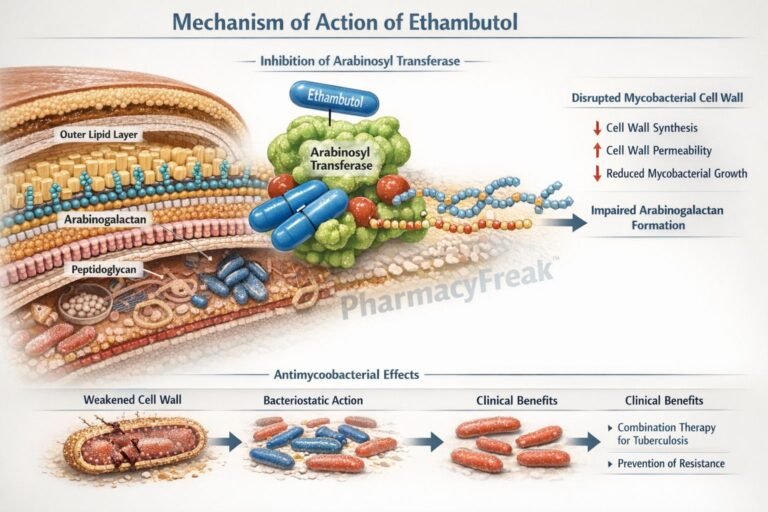
Introduction Ethambutol is a first-line antitubercular drug used as part of combination therapy for the treatment of tuberculosis. … Read more