
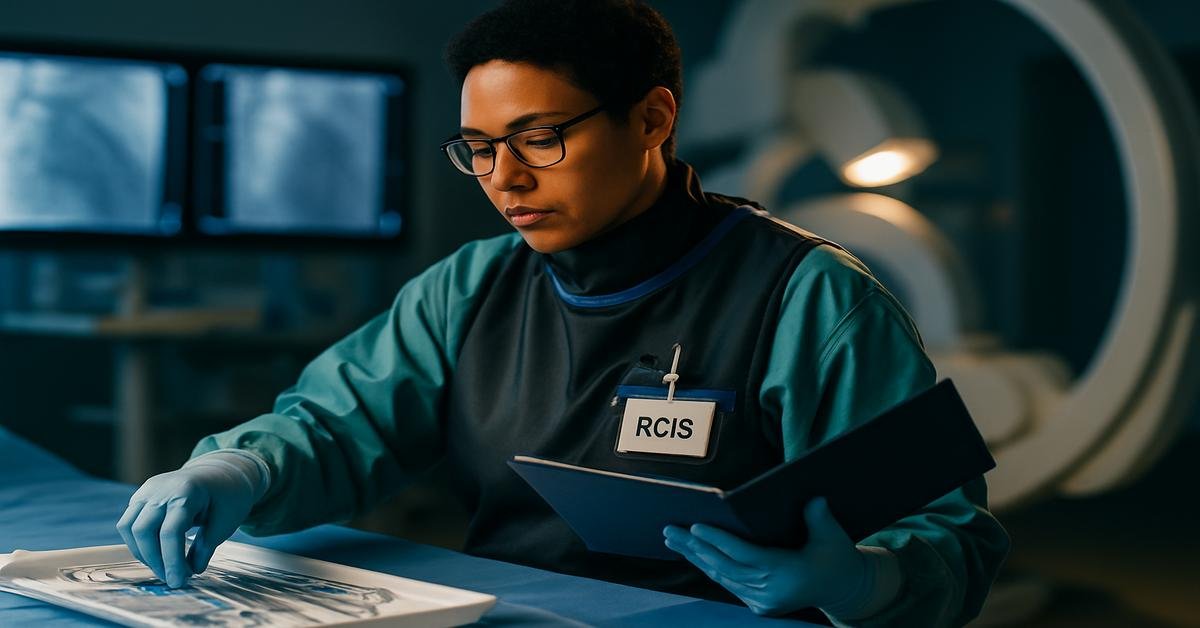
Behind every smooth, safe cardiac catheterization procedure, there is usually a highly skilled team making fast decisions in real time. One of the most important people on that team is the Registered Cardiovascular Invasive Specialist, or RCIS. These professionals help run the cath lab during procedures that diagnose and treat heart and blood vessel disease. They do far more than hand tools to a physician. They monitor patients, manage imaging equipment, understand hemodynamics, assist with interventions, and help keep the procedure moving safely. For people interested in a hands-on healthcare career with strong demand and meaningful patient impact, RCIS can be a smart path. It offers technical depth, direct patient care, and a clear professional credential that employers respect.
What an RCIS does in the cath lab
An RCIS works in the cardiac catheterization lab, often called the cath lab. This is where providers perform minimally invasive procedures to look at or treat problems in the heart and blood vessels. Common examples include coronary angiography, angioplasty, stent placement, right and left heart catheterization, electrophysiology support in some settings, and peripheral vascular procedures.
The RCIS role is broad because cath lab work is complex. A specialist may:
- Prepare the procedure room by checking supplies, catheters, wires, contrast, medications, sterile trays, and emergency equipment.
- Position and monitor the patient before and during the procedure, watching heart rhythm, blood pressure, oxygen levels, and symptoms.
- Operate imaging and recording systems so the physician can see the anatomy clearly and document findings accurately.
- Measure and interpret hemodynamic data, such as intracardiac pressures and cardiac output, which help guide diagnosis and treatment.
- Scrub in to assist during procedures, passing devices and maintaining sterile technique.
- Recognize complications early, such as arrhythmias, bleeding, contrast reactions, hypotension, or sudden changes in patient status.
- Support emergency response when seconds matter, especially during heart attacks or unstable cases.
This mix of duties is one reason the role is valued. A good RCIS understands the technology, the anatomy, the procedure flow, and the patient’s condition all at once. That combination is not easy to replace.
Why cardiovascular invasive specialists are vital for patient care
The cath lab is a high-stakes environment. Patients may be stable when they arrive, but their condition can change quickly. A blocked coronary artery, a drop in blood pressure, a rhythm change, or an equipment issue can turn routine work into an urgent situation. RCIS professionals help reduce risk because they are trained to notice small changes before they become major problems.
That matters for a simple reason: in invasive cardiology, timing and accuracy affect outcomes. If pressure readings are off, the physician may make the wrong assessment. If sterile technique slips, infection risk increases. If a patient begins to decompensate and no one catches it early, the procedure becomes more dangerous.
RCIS professionals add value in several practical ways:
- They improve procedural efficiency. A well-trained specialist anticipates the next step, which helps reduce delays and keeps the case organized.
- They strengthen patient safety. Continuous monitoring, careful documentation, and fast response to changes all protect the patient.
- They support better teamwork. Cath labs depend on close coordination between physicians, nurses, technologists, and support staff. RCIS professionals often act as a technical anchor on the team.
- They help maintain quality standards. Accurate data collection, equipment checks, and protocol compliance are essential for both patient care and lab performance.
Think of a patient arriving with a suspected heart attack. The physician may be focused on opening the blocked artery. At the same time, the RCIS may be tracking pressure changes, watching the cardiac monitor for dangerous rhythms, helping manage contrast use, preparing interventional devices, and making sure imaging captures what the physician needs. That behind-the-scenes work directly supports faster, safer treatment.
Why employers value the RCIS credential
Many people work in cath labs with different backgrounds, including radiologic technology, cardiovascular technology, nursing, and respiratory care. The RCIS credential stands out because it confirms specialized knowledge in invasive cardiovascular procedures. It tells employers that the person has met a recognized standard in this area.
Certification matters because cath lab work is not generic patient care. It requires understanding:
- Cardiac anatomy and physiology
- Hemodynamics
- Pharmacology used in invasive procedures
- Radiation safety
- Infection control and sterile technique
- Interventional equipment and devices
- Emergency procedures and complication management
For managers, certification can reduce uncertainty during hiring. It does not replace hands-on experience, but it shows commitment to the field and a strong baseline of competence. In some labs, it can also support advancement, cross-training opportunities, or stronger positioning during salary discussions.
Who should consider becoming an RCIS
This career fits people who like a fast-moving clinical setting and are comfortable with both patient contact and technical work. It is especially appealing to those who want more procedure-based work instead of a general bedside role.
You may be a strong fit if you:
- Stay calm under pressure. Cases can change quickly, and the team needs people who can think clearly.
- Like precision. Small mistakes in data, timing, medication handling, or equipment setup can have real consequences.
- Enjoy science and anatomy. The role requires understanding how the cardiovascular system works, not just following steps.
- Work well in teams. The cath lab is highly collaborative. Communication needs to be direct and accurate.
- Want a hands-on role. This is not a desk job. You are in the room, involved in care, and often on your feet for long procedures.
People often enter this path from cardiovascular technology programs, radiography, nursing, or related allied health fields. Others plan for RCIS from the start because they know they want a career focused on invasive cardiology.
How to become an RCIS
The path can vary depending on your education and work background, but the general process is straightforward. You need the right clinical foundation, real cath lab experience, and then you must pass the certification exam.
Here is the typical route:
- Build a healthcare education base. Many candidates complete formal training in cardiovascular technology or a related allied health field. Strong coursework in anatomy, physiology, medical terminology, and patient care helps.
- Gain cath lab experience. Employers want people who understand the environment, equipment, workflow, and patient safety demands of invasive procedures.
- Meet exam eligibility requirements. These are based on education and/or clinical experience pathways. Candidates should verify the current criteria before applying.
- Prepare for the RCIS exam. Study should be structured, practical, and based on the actual content areas tested.
- Pass the certification exam. After passing, you can use the RCIS credential.
- Maintain the credential. Continuing education and renewal are part of staying current in a changing field.
The exact pathway depends on where you are starting. A recent graduate from a cardiovascular program may qualify differently than an experienced allied health worker who has already spent years in the cath lab.
What the RCIS certification exam covers
The RCIS exam is designed to test whether you can work safely and competently in invasive cardiovascular settings. It is not just about memorizing definitions. It expects you to connect technical knowledge to clinical practice.
Major study areas usually include:
- Patient care and assessment before, during, and after invasive procedures
- Cardiovascular anatomy, physiology, and pathophysiology
- Hemodynamic principles and waveform recognition
- Diagnostic and interventional procedures
- Pharmacology, especially drugs commonly used in the cath lab
- Equipment, imaging, and radiation safety
- Complication recognition and emergency response
A common mistake is studying the exam as if it were only academic. That approach usually falls short. The strongest candidates connect each topic to what actually happens during a case. For example, it is not enough to know what a pressure waveform looks like in a textbook. You should understand what a change in that waveform might mean during a live procedure and what the team may need to do next.
How to prepare for RCIS certification in a practical way
Good preparation is usually consistent rather than intense. Short, regular study sessions work better than cramming because the material is technical and layered. You need time to connect concepts.
A practical prep plan often includes:
- Start with the exam content outline. This helps you study what is actually tested instead of guessing.
- Review your weak areas first. Many candidates need extra work in hemodynamics, pharmacology, or waveform interpretation.
- Use case-based study. Ask yourself what data you would expect in a right heart cath, what complications can happen during a coronary intervention, or why a medication is given at a specific time.
- Study with experienced cath lab staff when possible. Real examples make abstract topics easier to understand.
- Practice under timed conditions. This builds test endurance and helps you manage pace.
- Keep a focused notebook. Write down pressure ranges, drug classes, key device functions, and concepts you miss often.
One useful strategy is to study by procedure type. For example, take left heart catheterization and review the anatomy involved, access points, normal findings, common complications, pressure data, and drugs used. Then do the same for right heart caths or coronary interventions. This method mirrors how knowledge is used on the job.
What makes someone successful in the cath lab long term
Certification can help you get in the door or move forward, but long-term success depends on habits and judgment. The best RCIS professionals tend to share a few traits.
- They keep learning. Devices, techniques, and standards change. Strong specialists stay current because outdated practice can hurt patients.
- They communicate clearly. In urgent cases, vague language wastes time. Good RCIS professionals report what they see in simple, direct terms.
- They respect process. Checklists, sterile setup, time-outs, and documentation may feel routine, but they prevent avoidable errors.
- They think ahead. Anticipation is one of the most valuable skills in the lab. It helps the team move quickly without becoming chaotic.
- They protect the patient, not just the workflow. Fast procedures matter, but not at the cost of safety.
For example, a less experienced team member may focus only on the immediate task, such as preparing a device. A strong RCIS is also thinking about the patient’s blood pressure trend, anticoagulation status, contrast load, and what the next likely step will be if the physician finds a severe lesion. That broader awareness is what makes the role so important.
Career outlook and professional growth
Heart and vascular disease remain common, and minimally invasive procedures continue to play a major role in diagnosis and treatment. That creates ongoing demand for professionals who can work effectively in invasive cardiovascular settings. Demand can vary by region and employer, but the underlying need for trained cath lab staff is steady.
Career growth may include:
- Specializing in more advanced procedures
- Taking on preceptor or training duties for new staff
- Moving into lead technologist or supervisory roles
- Expanding into structural heart or peripheral vascular work depending on the lab
- Strengthening qualifications with additional credentials as your role grows
What makes this career attractive is that growth is often tied to real skill development, not just time served. As you become stronger in hemodynamics, device knowledge, emergency support, and procedural judgment, your value usually rises.
Why RCIS is a strong career choice for the right person
RCIS is not the easiest healthcare path, but that is part of why it is respected. The work is technical, fast, and high responsibility. You need clinical judgment, attention to detail, and the ability to work well under pressure. In return, you get a career where your skills clearly matter. You are not on the sidelines. You are part of procedures that can answer urgent questions, relieve symptoms, and sometimes save a life within minutes.
For someone who wants a specialized allied health role with direct patient impact, the RCIS path offers a strong mix of purpose and professional credibility. The certification is more than a set of letters after your name. It signals that you understand the demands of invasive cardiovascular care and are prepared to meet them. In a cath lab, that level of trust matters every day.

