
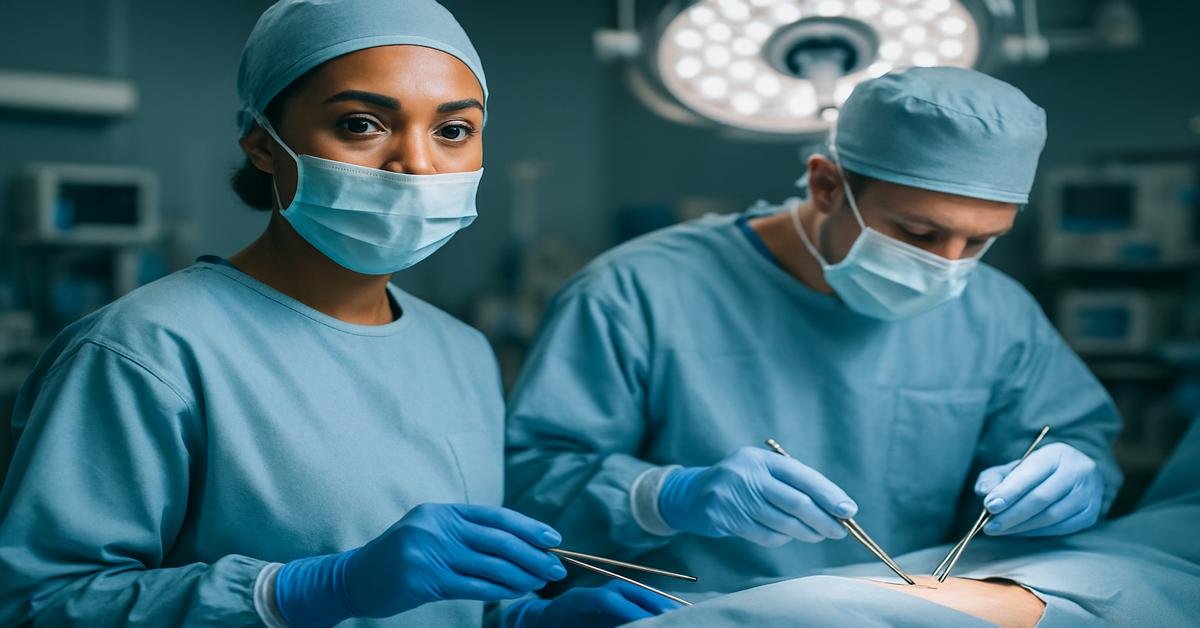
In the operating room, small details matter. A steady hand, clear judgment, and good timing can change how smoothly a surgery goes. That is where the Certified Surgical First Assistant, or CSFA, comes in. This role is often described as the surgeon’s right hand, and that description fits. A surgical first assistant does far more than “help out.” This professional supports the surgeon directly during procedures, manages critical tasks at the operating field, and helps protect patient safety from the first incision to final closure. For people who want a career that is hands-on, respected, and central to patient care, the CSFA path offers a strong option. It also takes real training, technical skill, and certification to earn that trust.
What a Surgical First Assistant Actually Does
A Surgical First Assistant works alongside the surgeon during an operation. The job is practical, technical, and focused on the patient. While duties vary by state law, facility policy, and surgical specialty, the core work is consistent: support the surgeon in ways that improve exposure, control bleeding, handle tissue safely, and help complete the procedure efficiently.
Typical duties can include:
- Positioning and prepping the patient so the surgical site is accessible and safe.
- Helping maintain a sterile field and protecting against contamination.
- Using retractors and other techniques for exposure so the surgeon can clearly see the anatomy.
- Controlling bleeding with pressure, clamps, suction, sponges, or other approved methods.
- Handling tissue carefully to reduce trauma and support better healing.
- Suturing, stapling, and closing wounds when allowed by training, scope, and policy.
- Applying dressings and assisting with immediate post-operative steps.
This is not a passive role. The first assistant must anticipate what the surgeon needs next. That matters because surgery moves quickly. If the assistant is slow, unsure, or poorly trained, the procedure can become less efficient and more stressful for the whole team.
Why Surgical First Assistants Are Called the Surgeon’s Right Hand
The phrase sounds simple, but it reflects a real working relationship. In surgery, the surgeon cannot do everything alone at the same time. Good surgery depends on controlled teamwork. The first assistant becomes the surgeon’s direct extension in the sterile field.
Here is why that role is so important:
- They improve visibility. Surgery depends on seeing the correct structures clearly. A first assistant helps expose the site without damaging nearby tissue. That reduces guesswork.
- They support precision. If tissue is held steadily and bleeding is controlled quickly, the surgeon can focus on the main surgical task.
- They help maintain pace. Every delay in the operating room has a cost. Some delays affect anesthesia time, room turnover, and staff workload. A skilled first assistant helps the case move smoothly.
- They reduce surgeon strain. Surgeons need trusted support. When the assistant is competent, the surgeon can work more efficiently and with fewer distractions.
- They contribute to patient safety. Better handling of tissue, careful retraction, and timely response to changes in the field can lower risk during surgery.
Think about a common abdominal procedure. The surgeon may need clear exposure of a deep area while also managing delicate structures nearby. The first assistant’s retraction must be firm enough to reveal the anatomy, but gentle enough to avoid injury. That balance is not basic help. It is skilled clinical support based on anatomy knowledge and real judgment.
The Difference Between a Surgical Technologist and a Surgical First Assistant
Many people confuse these roles, especially because both work in the operating room. They are related but not the same.
A surgical technologist usually focuses on preparing the room, maintaining sterility, passing instruments, and supporting the surgical team from the scrub role. That job is critical. But a surgical first assistant works more directly in the procedure itself, assisting at the operative site and performing advanced intraoperative tasks.
In simple terms:
- Surgical technologist: prepares, organizes, scrubs in, passes instruments, protects the sterile field.
- Surgical first assistant: provides direct operative assistance such as exposure, hemostasis, tissue handling, and closure support.
Many first assistants start as surgical technologists, but not all do. Some come from other clinical backgrounds, depending on the pathway allowed by the certifying body and local rules. The key point is that first assisting requires additional education, supervised clinical experience, and proof of competency.
Why Certification Matters
Certification is not just a line on a resume. In a high-risk environment like surgery, employers and surgeons need evidence that a person has met a recognized standard. Certification helps show that the first assistant understands surgical principles, patient safety, anatomy, aseptic technique, and intraoperative responsibilities.
It matters for several reasons:
- Credibility: Certification tells employers and surgeons that your training was formal and assessed.
- Employability: Many employers prefer or require certification for first assistant roles.
- Professional identity: Certification separates trained first assistants from informal or on-the-job helpers.
- Patient trust: Even if patients do not know the initials, healthcare organizations do. Standards protect patients.
In practical terms, certification can make the difference between being considered for a role and being passed over. It can also affect advancement and pay.
What CSFA Means
CSFA stands for Certified Surgical First Assistant. It is a professional credential that recognizes individuals trained to function as surgical first assistants. The exact eligibility rules, exam process, and maintenance requirements depend on the certifying organization, but the overall goal is the same: confirm that the person has the knowledge and clinical skill needed for the role.
People are sometimes drawn to the title because it sounds prestigious. That is understandable, but the value of the credential comes from the responsibility behind it. A CSFA is expected to work calmly under pressure, understand surgical anatomy, communicate well with the team, and respond correctly when something changes in the field.
How to Become a CSFA
The path can vary, but most candidates follow a step-by-step process. The details differ by program and certifying body, so it is important to verify current requirements before enrolling. Still, the basic route is usually clear.
- Build a qualifying clinical background. Many candidates begin as surgical technologists, though some may come from other allied health professions if accepted by the pathway.
- Complete an accredited or recognized surgical first assistant program. This provides the didactic and clinical training needed for first assisting.
- Gain supervised clinical case experience. You need real operating room practice, not just classroom learning.
- Apply for the certification exam. This usually involves transcripts, proof of training, and case documentation.
- Pass the exam. The exam tests the knowledge required for safe and effective first assisting.
- Maintain your credential. Most certifications require continuing education or renewal steps.
Each step matters for a reason. Surgery is not a field where “mostly ready” is good enough. You need repeated exposure to real cases because textbook knowledge alone does not teach timing, touch, or teamwork.
What You Learn in a Surgical First Assistant Program
A solid program goes beyond memorizing terms. It prepares you to function inside an operating room where every action affects the patient.
Training often includes:
- Surgical anatomy and physiology so you understand what you are seeing and why it matters.
- Aseptic technique and infection control because contamination can have serious consequences.
- Hemostasis methods so bleeding is controlled safely and efficiently.
- Tissue handling principles to reduce damage and support healing.
- Wound closure techniques including sutures, staples, and dressings.
- Patient positioning and safety to avoid preventable injuries during surgery.
- Pharmacology basics relevant to the surgical setting.
- Legal and ethical responsibilities because scope of practice matters.
Clinical training is where these ideas become real. For example, learning retraction in theory is one thing. Doing it correctly in a deep surgical field for an extended time, while adjusting for anatomy and surgeon preference, is another.
The Skills That Separate Good CSFAs from Average Ones
Technical ability matters, but soft skills matter too. In the operating room, people rely on each other. A strong CSFA combines technical confidence with judgment and communication.
The best first assistants usually have these traits:
- Situational awareness: They notice what is changing before someone has to say it out loud.
- Steady focus: They stay calm during long cases and unexpected moments.
- Respect for protocol: They do not cut corners with sterility or safety.
- Clear communication: They speak up when needed and listen carefully.
- Physical stamina: Surgery can mean long hours standing, holding position, and staying alert.
- Professional humility: They know the role is about the patient, not ego.
A surgeon will often remember the assistant who makes difficult cases feel organized and controlled. That reputation is built over time through reliability, not personality alone.
Career Outlook and Work Settings
CSFAs can work in hospitals, outpatient surgery centers, specialty practices, and other surgical environments. Opportunities depend on location, state regulations, employer needs, and specialty demand.
Common surgical areas may include:
- General surgery
- Orthopedics
- Cardiovascular surgery
- Neurosurgery
- Gynecology
- Urology
- Plastic and reconstructive surgery
The appeal of the career is not only job access. It is also the level of involvement. If you want to be close to the action and play a direct role in the success of procedures, first assisting offers that in a very real way.
Compensation varies by geography, experience, specialty, and employment model. Certified professionals with strong clinical experience are generally in a better position than those without recognized credentials. That is because employers place value on proven competence in the OR.
Challenges of the CSFA Career
This career is rewarding, but it is not easy. Anyone considering it should understand the demands honestly.
- The learning curve is steep. Surgery requires precision and discipline.
- The environment is high pressure. Mistakes can have serious consequences.
- The work can be physically demanding. Long cases, awkward positions, and extended focus are common.
- Schedules may be unpredictable. Emergency cases and early starts are part of many surgical jobs.
- You must keep learning. Techniques, technologies, and standards change over time.
These challenges are part of why the profession is respected. The work asks a lot from you because the stakes are high.
How to Know if This Path Is Right for You
The CSFA path is a good fit for people who like technical work, structured teamwork, and meaningful responsibility. It helps if you enjoy anatomy, can handle pressure without shutting down, and care about doing things correctly even when no one is watching.
You may be well suited to this field if:
- You want a hands-on clinical role instead of desk-based work.
- You are comfortable with blood and invasive procedures.
- You work well in teams and take direction well.
- You value precision and notice details others miss.
- You want a healthcare career with clear skill standards and room to grow.
It may not be the best fit if you dislike fast-paced environments, struggle with long periods of intense focus, or want a role with more predictable daily routines.
Final Thoughts
The title “surgeon’s right hand” is earned, not given. Certified Surgical First Assistants hold a trusted position because they help make surgery safer, smoother, and more effective. They do not stand at the edge of care. They are part of the core team around the patient when it matters most.
If you are considering this path, take the training seriously. Look closely at program quality, clinical experience requirements, and certification standards. The strongest CSFAs are not just technically trained. They are dependable, observant, and committed to doing the job right every time. That is what makes them valuable to surgeons, operating room teams, and most importantly, patients.

