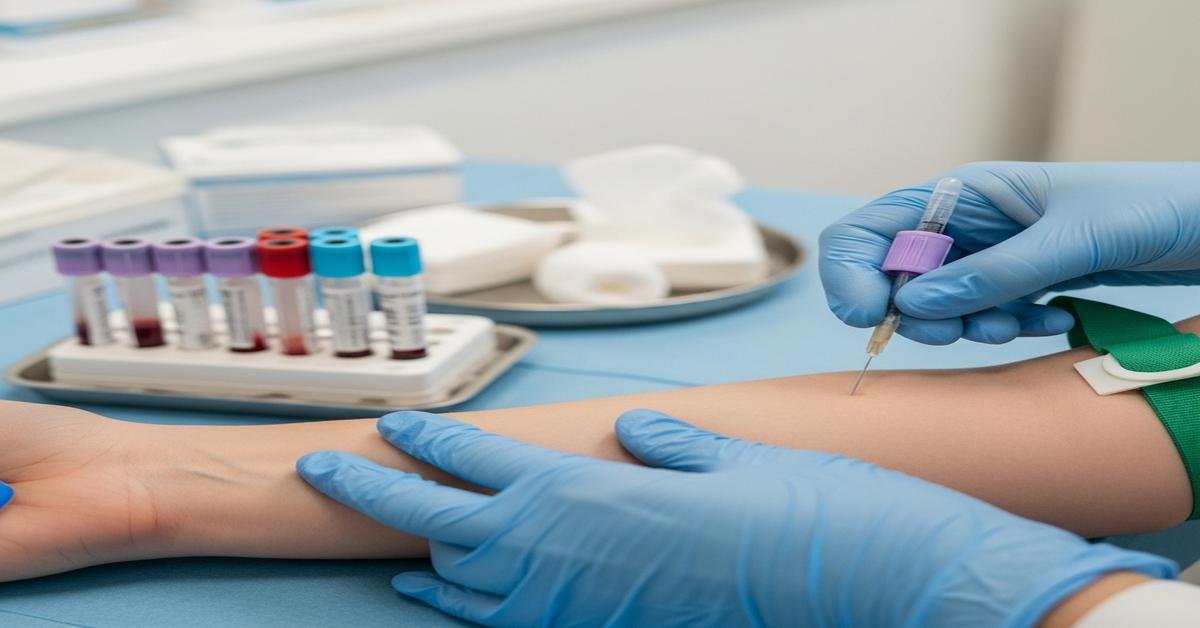
Phlebotomy looks simple from the outside: find a vein, draw the blood, label the tube. In practice, it’s a technical, high-stakes job that protects patients and keeps hospitals and labs running. That’s why a CPT license (Certified Phlebotomy Technician) changes your value on day one. Certified phlebotomists typically earn about 20% more because they are faster to train, make fewer errors, widen the kinds of draws they can perform, and help organizations pass audits. If you’re deciding whether to get certified—or where to work in 2026—this guide breaks down the pay math, the “why” behind it, and the best settings to build your career.
What a CPT License Really Is (and Isn’t)
“CPT” is a professional certification, not a college degree. The most recognized U.S. credentials include:
- NHA CPT (National Healthcareer Association)
- ASCP PBT (American Society for Clinical Pathology, Phlebotomy Technician)
- AMT RPT (American Medical Technologists, Registered Phlebotomy Technician)
These bodies verify training hours, document a required number of successful venipunctures and capillary sticks, and test your knowledge. Employers trust that process because it reduces onboarding risk.
Some states also regulate phlebotomy as a licensed role. California uses state categories (CPT I and CPT II). Nevada and Louisiana license clinical lab personnel, which includes phlebotomy. Washington uses the Medical Assistant–Phlebotomist credential. In these states, you must meet state rules and employers often want a national certification as proof you’re current.
Why Certified Phlebotomists Earn About 20% More
Employers pay more when risk and cost go down. Certification lowers both. Here’s the breakdown.
- Faster onboarding. A certified tech already knows order of draw, tube inversion counts, and how to troubleshoot difficult veins. That cuts training weeks and frees up senior staff. Less training time is direct savings.
- Fewer pre-analytic errors. Most lab errors happen before analysis—mislabeled tubes, wrong anticoagulant, hemolyzed specimens. Certified phlebotomists are trained to prevent these mistakes. Fewer redraws and fewer delayed results save money and prevent harm.
- Compliance coverage. Inspections from CLIA, CAP, and state health departments look at training files, competencies, and quality indicators. Having certified staff makes compliance easier and reduces the chance of fines or corrective action.
- Broader scope. Certification often includes pediatric and geriatric draws, line draws under policy, and special collections (ABGs with added training, glucose tolerance tests, blood cultures). A wider skill set means better staffing flexibility.
- Reliability signals. Certification shows commitment and baseline knowledge. That reduces turnover and the cost of repeatedly hiring and training new staff. Stable teams get paid more because they perform better.
Put simply, certified techs help hospitals hit turnaround goals and pass audits. Employers pay for that certainty. In tight labor markets or regulated states, the premium is often near 20%.
The Numbers: What “20% More” Looks Like in Pay
Use conservative figures so you can plan. In the U.S., median phlebotomy pay has hovered near the low $20s per hour, with wide variation by city and setting. Here’s how the certification premium plays out in real terms.
- Base without certification: $18–$21 per hour in many non-union outpatient settings; sometimes lower in small physician offices.
- With CPT: $21–$26 per hour in the same markets. Hospitals and large labs in high-cost cities may start higher.
- Premium estimate: $3–$5 per hour more for certified candidates is common. On a $20 base, $4 is a 20% jump.
- Shift differentials: Evenings (+$1–$3/hr), nights (+$2–$5/hr), weekends (+$1–$4/hr). Certification often qualifies you for more shifts, which compounds earnings.
- Bonuses and add-ons: Sign-on bonuses ($500–$3,000), mileage for mobile draws, on-call pay, and per-diem rates (often 10–25% above base) favor certified techs.
Annual ROI example: A short CPT program plus exam might cost $1,100–$2,500 total. A $4/hr raise adds about $8,320/year before taxes (40 hours/week). You recoup the cost in 2–4 months, then keep the premium year after year.
Where Your CPT Pays Off the Most (By Setting)
Different workplaces use your certification in different ways. Pay follows value.
- Urban hospitals and trauma centers. High specimen volume, diverse patient populations, more complex draws. Certified techs reduce redraws and downtime during busy shifts. Expect higher base pay, shift differentials, and better benefits.
- Academic medical centers. Teaching hospitals reward competency and offer growth into lead roles or lab pathways. The pace is fast, but the experience is strong. Pay is competitive, and tuition benefits can be excellent.
- Large reference labs. Consistent procedures, automation, and emphasis on turnaround time. Certified techs run patient service centers or mobile routes. Pay is steady, with productivity bonuses in some markets.
- Plasma donation centers. Heavy on process, documentation, and donor care. Many will pay extra for certification because it lowers adverse events and improves throughput. Hours can be stable (fewer overnights) with decent benefits.
- Mobile and at-home diagnostics. The “house call” model expanded. Certified techs command higher rates for working alone, handling chain of custody, and ensuring quality outside controlled environments. Mileage and per-visit pay add up.
- Outpatient clinics and urgent care. Lower acuity and more predictable hours. Pay can be lower, but certification still helps you negotiate and land the better schedules.
- Blood banks and donor drives. Certification is valued, especially for specialized collections and apheresis support. Good for developing bedside skills and event logistics.
Best Places to Work in 2026: Markets and Employers That Reward CPT
Demand for phlebotomists grows with population age, chronic disease, and outpatient testing. Add telehealth and home-based care, and draws are moving closer to patients. In 2026, the best jobs share two traits: strong staffing models and steady volume. These markets and employer types check both boxes.
- Regulated states with strong hospital systems: California, Washington, Nevada, Louisiana. Certification is expected and pay is higher to match cost of compliance and cost of living. Large systems with union contracts often lead pay scales and offer predictable raises and differentials.
- High-growth Sun Belt metros: Dallas–Fort Worth, Houston, Phoenix, Tampa, Orlando, Atlanta. Population growth and new hospitals mean steady hiring. Reference labs expand in these regions, and mobile draws are common.
- Established academic hubs: Boston, Baltimore/DC, Minneapolis–St. Paul, Chicago, St. Louis. Academic centers prize competency and have defined ladders. Certification is a door-opener to lead roles.
- West Coast tech-health corridors: Seattle, Portland, Bay Area, San Diego. Outpatient and at-home diagnostics are growing here. Expect higher base pay, but also higher living costs.
- Southeast retiree corridors: Raleigh–Durham, Charlotte, Nashville, Jacksonville. Aging populations increase testing volume. Phlebotomists see stable day-shift clinic work and expanding mobile services.
Within each market, these employer types tend to be the best bet in 2026:
- Large integrated health systems. Better benefits and training budgets. Look for Magnet-designated hospitals and systems with clear clinical ladders.
- Unionized hospitals. More predictable pay steps, stronger differentials, and safer staffing language in contracts.
- Academic medical centers. Tuition support and internal mobility. If you plan to move into MLT/CLS programs, this is your launchpad.
- Reputable national reference labs. Standardized SOPs, nationwide mobility, and structured performance bonuses.
- Scaling home-draw and mobile diagnostics providers. Higher autonomy and per-visit pay. Certification is often required for insurance panels and chain-of-custody work.
How to Read a Job Offer (Beyond the Hourly Rate)
Two jobs at the same hourly pay can differ by thousands a year once you add differentials, mileage, and benefits. Use this checklist.
- Shift and weekend differentials. Ask for the exact dollar amounts and which hours apply. Nights and weekends can add 10–25% to your pay.
- On-call and callback pay. Critical in hospitals. Know the minimum hours paid for a call-in.
- Mileage or territory pay. For mobile roles, per-mile and per-visit pay matter. Confirm how routing is handled and what happens if patients cancel.
- Training period rate. Some employers pay reduced rates during orientation. Get the timeline and the post-training rate in writing.
- Specimen mix and volume. High blood culture volumes or pediatric draws add complexity. Certification justifies a higher rate here.
- Staffing ratios and coverage. Ask about daily draws per tech, average wait times, and coverage for breaks. Overload leads to errors and burnout.
- Safety and supplies. Verify consistent access to fresh tourniquets, butterfly needles, safety devices, and scanners. Poor supplies increase risk.
- Growth path. Look for lead phlebotomist roles, preceptor pay, and tuition help. Your next raise often comes from your next role.
How to Get Certified (Step by Step)
Certification is straightforward if you plan it. Here’s a clean path.
- Pick a cert body. Choose NHA, ASCP, or AMT based on local employer preference. Ask recruiters which they recognize most.
- Choose an accredited program. Many community colleges and reputable private schools offer short courses. Confirm they include the required number of venipunctures and capillary sticks and help arrange an externship.
- Meet clinical requirements. Track every successful draw with patient initials, date, and supervisor sign-off. Keep copies.
- Study the exam blueprint. Expect questions on anatomy, order of draw, additives, specimen handling, infection control, and regulations. Practice scenario questions about hemolysis, difficult veins, and labeling.
- Schedule the exam quickly. Take it while skills are fresh. Book within 2–4 weeks of finishing your program.
- Apply for state licensure if needed. In California, for example, you’ll submit proof of training, draws, and exam results to the state for CPT I or CPT II.
- Plan continuing education. Most certs require CEUs every 1–2 years. Put reminders on your calendar so you never lapse.
Time and cost snapshot: 4–16 weeks for most programs. Total cost often $1,100–$2,500 including tuition, books, fees, and the exam. Many employers reimburse all or part once you’re hired.
Proof the CPT Pays: Concrete Scenarios
- Hospital nights, certified: Base $24/hr + $3 night diff + $2 weekend diff = $29/hr on weekend nights. Annualized at 36 hrs/week (common 3x12s), that’s roughly $54,300 before overtime.
- Reference lab patient service center, certified: Base $22/hr + quarterly productivity bonus worth ~$.75/hr + benefits. Stable hours, predictable raises.
- Mobile phlebotomist, certified: $20/hr base + $0.60/mile + $10/extra stop + rush fees. Skilled routing plus a reliable car can exceed $27–$30/hr effective pay on busy days.
In each case, certification is what gets you the job and the better shifts, or the independence to work mobile. The extra $3–$5/hr is realistic and stacks with differentials.
Quality, Safety, and Why Employers Care
Employers track lab turnaround times, specimen rejection rates, and inspection findings. Phlebotomy touches all three. Certification is a quick way to lower risk in these areas:
- Specimen integrity. Proper tube selection and mixing reduce hemolysis. Good technique reduces underfilled tubes and clotting. That means fewer redraws and faster results.
- Labeling accuracy. Certified phlebotomists follow two-identifier policies without cutting corners. Barcode workflows only work if labels are correct at bedside.
- Infection control. Needle-stick prevention and PPE discipline matter. Training and repetition reduce exposures and OSHA recordables.
- Patient experience. Confidence and clear explanations reduce anxiety, especially for pediatric and geriatric patients. Good experience supports patient satisfaction scores.
When these numbers improve, administrators notice. Pay follows measurable value.
Career Ladders After CPT
Certification is the floor, not the ceiling. Use it to move up.
- Preceptor or lead phlebotomist. Train new staff, manage scheduling, and monitor quality. Adds $1–$3/hr, sometimes more.
- Patient service center supervisor. Oversee multiple sites, manage budgets, and staffing. Salaried with bonuses in some systems.
- Specialized collections. Apheresis support, arterial blood gases with added training, and research protocols. Higher pay due to complexity.
- Lab assistant to MLT/CLS. With tuition benefits, transition into an MLT (associate) or CLS/MLS (bachelor’s) path. Big jump in pay and responsibility.
- Cross-training. EKG, specimen processing, and point-of-care testing widen your value and shift options.
Common Mistakes That Cut Into Your Pay (And How to Avoid Them)
- Letting certification lapse. Missed CEUs mean lost shifts and lower bargaining power. Set recurring reminders.
- Ignoring shift differentials. Negotiating $1 more per hour but giving up nights or weekends can leave money on the table.
- Under-tracking mileage or bonuses. In mobile roles, sloppy logs reduce reimbursement. Use a simple app and submit on time.
- Accepting poor staffing. Chronic short-staffing leads to burnout and errors. Ask tough questions before you accept an offer.
- Not documenting competencies. Keep your own file of competencies, draw counts, and CEUs. It speeds up future job changes and state renewals.
What to Expect in 2026
The volume of outpatient testing keeps rising. Home-based care is expanding. Hospitals still need 24/7 draws to speed discharges and meet surgical schedules. Here’s how that affects you:
- More home and mobile work. Expect more employers to require certification for these roles to satisfy insurer and lab network policies.
- Higher value for pediatric and elderly skills. Populations at both ends need gentle, expert draws. Certification programs that emphasize special populations pay off.
- Stronger documentation culture. Barcode tracking, specimen photos, and stricter chain-of-custody flows will be common. Certified techs adapt faster.
- Pay stability with clear ladders. Systems will compete on retention. Expect more defined steps for lead roles and preceptor pay.
Action Plan: Turning CPT Into a 20% Raise
- Week 1: Ask local employers which certifications they prefer. Pick your cert body and program.
- Weeks 2–8: Complete coursework and start your log of required draws. Save every sign-off.
- Week 9: Sit for the exam while skills are fresh. Apply for state licensure if needed.
- Weeks 10–12: Apply only to roles that list “CPT required or preferred.” Target hospitals, reference labs, and mobile services.
- Offer stage: Compare total compensation, not just base pay. Use your certification to ask for the top of the range or better differentials.
Bottom Line
A CPT license does three things at once: it shortens your training curve, lowers employer risk, and expands the procedures you can do. That combination is why certified phlebotomists often earn around 20% more. In 2026, the best opportunities will sit in regulated or high-growth markets, and in employer types that value competency—large hospital systems, academic centers, reputable reference labs, and mobile diagnostics providers.
If you want higher pay and more control over your schedule, certification is the fastest, most reliable move. It pays for itself in months, opens doors to better shifts and roles, and builds a foundation for long-term growth in the lab world.

