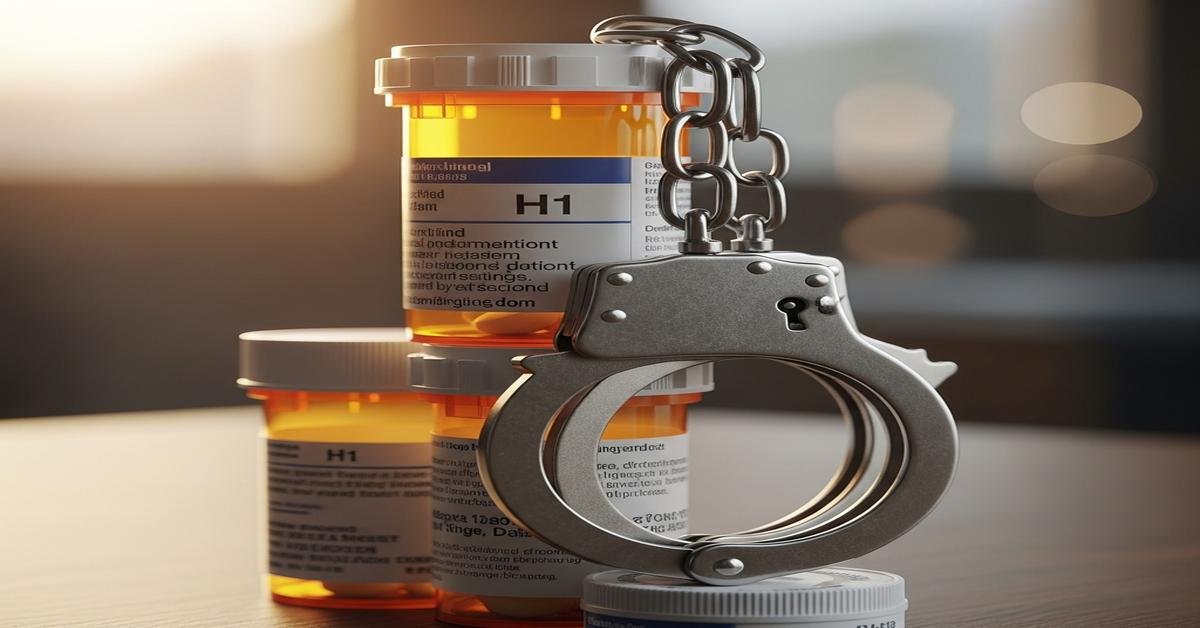
“Schedule H1” is a special list of prescription-only medicines under India’s Drugs and Cosmetics Rules, 1945. These drugs include powerful antibiotics, anti‑tuberculosis medicines, and certain sedatives. They can save lives when used correctly, but they also carry real risks: drug‑resistant infections, treatment failure, and dependence. That is why the law is strict. Selling a Schedule H1 drug without a valid prescription is a criminal offense and can land you in jail. This article explains what Schedule H1 covers, why these drugs are tightly controlled, what the law expects from sellers, and the consequences of breaking the rules.
What “Schedule H1” Really Means
Schedule H1 is a subset of prescription drugs that have higher risk of misuse or public health harm. The Rules require tighter control than ordinary Schedule H drugs. The goal is simple: make sure these medicines are used only when truly needed and under a doctor’s supervision.
Two things set Schedule H1 apart:
- Stronger safeguards. Retailers must check a valid prescription from a Registered Medical Practitioner (RMP) and record the sale in a special “Schedule H1” register.
- Clear warning labels. Packs must display a boxed “Rx” warning and the words “Schedule H1—Prescription drug. Warning: Not to be sold by retail without the prescription of a Registered Medical Practitioner.” This alerts both the seller and the buyer that extra care is required.
Why You Can’t Sell These Drugs Without a Prescription
- Antibiotic resistance. Powerful antibiotics, when used without proper diagnosis or for the wrong duration, don’t just fail to cure— they train bacteria to survive. Those resistant bacteria spread in the community. That is why the law insists on doctor oversight and documented sales.
- Drug‑resistant TB. Tuberculosis becomes far harder and costlier to treat when patients take the wrong medicines or stop early. Schedule H1 keeps anti‑TB drugs from casual, incomplete use.
- Dependence and overdose risks. Some Schedule H1 sedatives can cause tolerance and dependence. A prescription ensures the dose, duration, and follow‑up are appropriate.
- Safe use and interactions. These drugs often need lab tests, dose adjustments, or monitoring for organ toxicity. A doctor’s prescription signals that these checks have been considered.
Examples of Schedule H1 Drugs
Schedule H1 is defined by law; the list can be updated. The drugs commonly included fall into these groups:
- Advanced antibiotics: Many third‑ and fourth‑generation cephalosporins (e.g., cefixime, ceftriaxone, cefotaxime, cefpodoxime), carbapenems (e.g., imipenem, meropenem), and other “last‑line” agents like linezolid. These are reserved for serious infections and hospital use.
- Anti‑tuberculosis medicines: First‑line drugs (e.g., isoniazid, rifampicin, ethambutol, pyrazinamide) and several second‑line agents used for drug‑resistant TB. Unsupervised use fuels MDR‑TB.
- Certain fluoroquinolones and combination antibiotics: Some broad‑spectrum agents used in respiratory, urinary, and abdominal infections are restricted due to resistance risk.
- Selected sedatives/anti‑anxiety medicines: Certain molecules with dependence potential are included under H1 for tighter control.
Note: The exact list is legal text. When in doubt, check the latest State/National notifications or your pharmacy’s compliance manual.
What the Law Requires From Pharmacies
Under the Drugs and Cosmetics Act, 1940 and the accompanying Rules, retail sale of Schedule H1 medicines must follow these steps:
- Valid prescription only. Dispense only against a prescription from a Registered Medical Practitioner. No “verbal orders,” no “known patient” exceptions.
- Identity and details. Check the prescriber’s name, registration number, date, and patient details. Watch for altered dates, quantities, or handwriting that doesn’t match.
- Maintain a separate Schedule H1 register. Enter each sale with:
- Patient’s name and address
- Prescriber’s name, address, and registration number
- Drug name, strength, quantity supplied
- Date of supply and invoice/bill number
- Signature/initials of the dispensing pharmacist
Keep this register for at least three years and produce it to Drug Inspectors on demand.
- Prescription retention when required. For certain drugs and local rules, keep a copy/scan of the prescription. Mark the supply to prevent unauthorized repeats.
- Proper labeling at retail. As per the Rules, label dispensed packs with your pharmacy’s name and address, date, prescription/entry number, and directions if repacked. Avoid breaking strips unless directions and identification remain clear.
- Stock control. Keep Schedule H1 stock segregated, properly labeled, and secure. Do not advertise or offer discounts that encourage misuse.
- E‑prescriptions. Accept only those issued by an RMP with verifiable credentials and a valid signature (digital/secure). Keep the electronic record with your H1 entry.
Legal Consequences of Selling Without a Prescription
Selling, stocking, or dispensing Schedule H1 drugs in violation of the Act/Rules is a criminal offense. Typical consequences include:
- Arrest and prosecution. Drug Inspectors can conduct surprise inspections, seize stock, and initiate criminal cases. Courts can award imprisonment and fines, especially for repeat or willful violations.
- License suspension or cancellation. The Licensing Authority can suspend or cancel your retail/wholesale license, which can shut down your business.
- Seizure and forfeiture. Improperly stocked or unrecorded Schedule H1 medicines can be seized and forfeited.
- Civil and collateral damage. Insurers may deny claims; your pharmacy’s reputation suffers; subsequent regulatory scrutiny increases.
Why penalties are strict: The law treats illegal H1 sales as a public health hazard. A single shop’s behavior can increase antibiotic resistance in an entire neighborhood or fuel drug dependence. That is why imprisonment and heavy fines exist as deterrents.
Common Mistakes That Get Sellers in Trouble
- “Photo of a prescription is enough.” If authenticity is uncertain, you are exposed. Verify the prescriber and keep a copy with your H1 entry.
- Supplying repeats “because the patient says doctor advised.” Without a fresh or clearly authorized repeat, do not dispense.
- Not keeping a proper H1 register. Missing entries or incomplete data are themselves violations, even if a prescription existed.
- Breaking strips and losing the warning label. Patients then don’t see the caution. Always provide directions and retain identification of the drug.
- Stocking H1 drugs without corresponding purchase bills. Unaccounted stock invites seizure and presumption of illegal sale.
How Schedule H1 Differs From Schedule H and Schedule X
- Schedule H: Prescription‑only. No dedicated H1 register required. Still needs valid Rx and proper dispensing records.
- Schedule H1: Prescription‑only plus mandatory H1 register, boxed warning label, and tighter scrutiny.
- Schedule X: The strictest. Applies to certain narcotic/psychotropic medicines under additional laws. Requires special storage, record‑keeping, and retention of prescriptions (often in duplicate).
Why this matters: Mixing up schedules leads to under‑compliance. Train staff to identify labels, read schedules, and follow the correct workflow.
For Consumers: How to Buy Safely and Legally
- Look for the boxed Rx warning. If you see “Schedule H1,” expect the pharmacist to ask for a valid prescription and your details.
- Complete the full course. Stopping antibiotics early breeds resistance and relapse. If side effects occur, call your doctor—don’t self‑adjust.
- Avoid leftovers and sharing. What worked for a friend may be harmful for you. Dosages differ, and diagnosis matters.
- Telemedicine is fine—if legitimate. E‑prescriptions from registered doctors are valid. The pharmacy should still verify and record the sale.
- Ask for a bill. A proper invoice and your entry in the H1 register protect you and indicate the pharmacy is compliant.
Practical Compliance Tips for Pharmacies
- Create a one‑page SOP. Step‑by‑step: check Rx, verify prescriber, enter H1 register, label, counsel, file Rx copy.
- Train all shifts. Use real‑world examples of forged or reused prescriptions. Empower staff to say “no.”
- Audit weekly. Randomly match bills to H1 register entries; check missing fields and quantities.
- Segregate shelf space. Keep H1 drugs separate with visible tags. This reduces accidental OTC sale.
- Document refusals. Note attempted OTC requests. It shows diligence if inspectors ask.
Frequently Asked Questions
- Can I dispense part of an H1 prescription? Yes, if clinically reasonable and documented. Record the quantity supplied, mark the balance, and ensure repeats are authorized.
- Is a scanned or app‑based Rx valid? It can be, provided it is issued by an RMP with verifiable credentials and a valid signature. Keep the file and record the sale.
- What if the patient insists it’s an emergency? For H1 drugs, the law does not create a general “emergency OTC” exception. Call the prescriber or direct the patient to urgent care.
- How long must I keep the H1 register? At least three years. Many pharmacies keep digital backups longer for safety.
Bottom line: Schedule H1 drugs are tightly controlled for good reasons: preventing antimicrobial resistance, protecting patients, and safeguarding public health. If you sell medicines, follow the prescription rule, maintain the H1 register, and label and document carefully. If you buy medicines, expect these checks. Cutting corners can cost lives—and, under the law, your liberty and your license.

