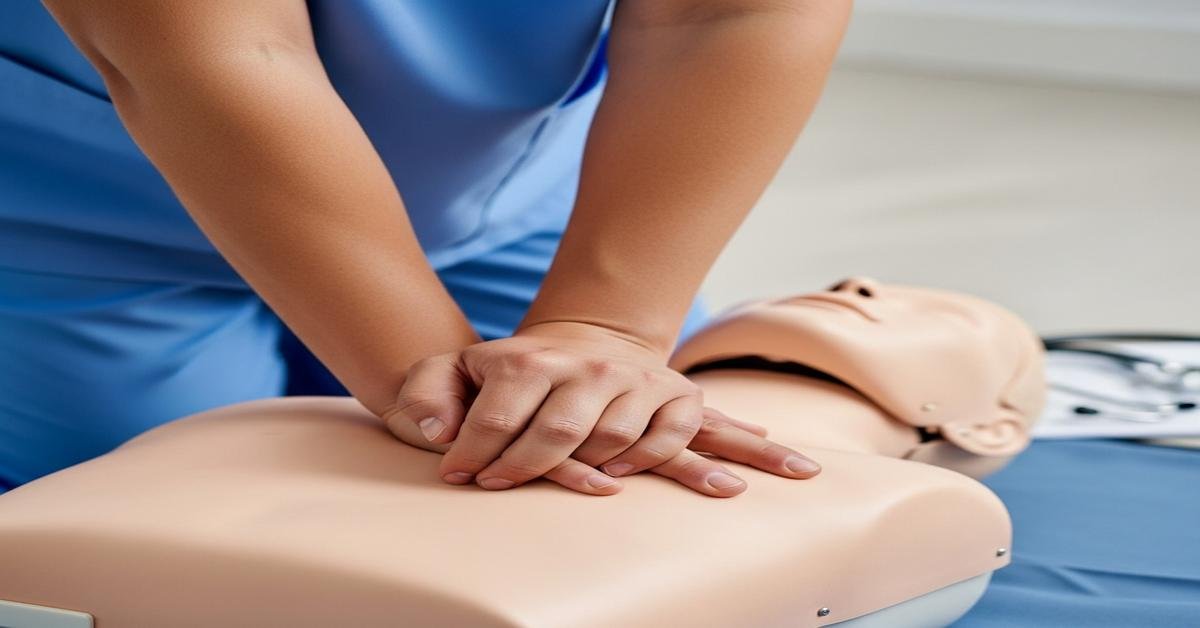
Patient safety and Basic Life Support (BLS) show up everywhere on the NHA Certified Patient Care Technician/Assistant (CPCT/A) exam. They also drive what you do on every shift. If you can protect patients from avoidable harm and act fast in an emergency, you add real value to a care team. This guide breaks down what to know, why it matters, and how to practice, so you can walk into your exam—and your job—with confidence.
Why the CPCT/A Exam Cares So Much About Safety and BLS
The exam tests core skills used across patient care, safety/compliance, EKG, and phlebotomy. Patient safety and BLS run through all of these because one mistake—poor hand hygiene, a mislabelled specimen, a slow response to a code—can harm a patient. In real life, technicians spend more time at the bedside than many clinicians. That means you often notice problems first. The exam wants proof you can keep patients safe, prevent infection, respond to emergencies, and escalate care the right way.
Focus on what you must do every day: identify patients correctly, prevent falls, control infection, move patients safely, keep the environment hazard-free, and deliver the first minutes of BLS without hesitation.
Core Patient Safety Principles You Must Know
Safety starts with standard precautions: treat all blood and body fluids as potentially infectious. This reduces transmission and protects both you and the patient.
- Hand hygiene: Use alcohol-based sanitizer when hands are not visibly soiled. Wash with soap and water for at least 20 seconds when soiled, after bathroom use, after removing gloves, and when dealing with C. difficile or norovirus. Why: sanitizer doesn’t kill certain spores; friction with soap and water does.
- PPE sequencing: Don: gown → mask/respirator → goggles/face shield → gloves. Doff: gloves → goggles/face shield → gown → mask, then hand hygiene. Why: this order minimizes self-contamination at the dirtiest points (gloves) first.
- Clean vs. sterile: Most tasks require clean technique; sterile fields are for invasive or high-risk procedures. Stay in your scope—do not “improvise” sterile tasks you aren’t trained for. Why: breaks in technique introduce infection.
- Gloves are not hand hygiene: Use hand hygiene before donning and after doffing gloves. Why: gloves can tear; your hands contaminate the glove exterior during removal.
Isolation and Transmission-Based Precautions
Know when and why each isolation type is used. Your job is to apply the right PPE and prevent spread when moving around the unit.
- Contact: MRSA, VRE, some wound infections. Wear gloves and gown. Use dedicated equipment (stethoscope, BP cuff) when possible. Why: organisms survive on surfaces.
- Contact with spore-formers: C. difficile. Soap and water handwashing; bleach-based cleaning. Why: alcohol gel doesn’t kill spores.
- Droplet: Influenza, meningitis. Wear a surgical mask within 3–6 feet. Why: large droplets don’t travel far but land on mucous membranes.
- Airborne: TB, measles, varicella. Negative-pressure room; N95 or higher. Limit transport; if transport needed, patient wears a surgical mask. Why: tiny particles travel and stay suspended.
Sharps, Biohazard, and Bloodborne Pathogen Safety
Most needlesticks happen during recapping or rushed cleanup. The fix is simple structure and focus.
- Never recap needles. If a device requires recapping, use a one-handed scoop technique only if policy allows. Why: two-handed recapping leads to punctures.
- Activate safety devices immediately after use. Dispose in a puncture-resistant sharps container at eye level and within arm’s reach. Do not overfill—replace at 3/4 full. Why: overfilled containers cause backout injuries.
- Post-exposure: Wash the area with soap and water (or flush mucous membranes), report immediately, and follow facility’s exposure protocol. Why: early prophylaxis can prevent infection.
- Biohazard handling: Seal specimens in labeled biohazard bags; clean spills with approved disinfectant; wear appropriate PPE. Why: containment stops environmental spread.
Patient Identification and Specimen Labeling
Wrong patient or wrong label can delay diagnosis or cause harm. The exam expects a zero-tolerance mindset.
- Use two identifiers: full name and DOB (or MRN), matched to the wristband and orders. Ask the patient to state, not confirm, their information. Why: people often say “yes” even when distracted.
- Label at the bedside immediately after collection, never at the desk. Use the patient’s exact identifiers and time of collection. Why: mislabeled specimens get rejected or misassigned.
- Barcodes: Scan the wristband and the label when required. If the scanner or label doesn’t match, stop and resolve before proceeding. Why: systems reduce error—only if used correctly.
Preventing Falls and Injuries
Falls are common, costly, and preventable. Pay attention to who is at risk and structure the environment to support them.
- Risk factors: new medications (especially sedatives), hypotension, confusion, recent surgery, unsteady gait, frequent toileting needs, cluttered rooms.
- Prevention basics: bed in low position and locked, call light and personal items within reach, non-skid socks, clear pathways, adequate lighting, hourly rounding. Why: most falls happen when patients try to do things alone.
- Toileting schedule: Offer help proactively. Why: patients fall when rushing to the bathroom.
- After a fall: Don’t move the patient if you suspect injury. Call for help, assess ABCs, keep them warm, and notify the nurse. Document facts only. Why: movement can worsen injuries.
Safe Transfers and Body Mechanics
Your back health and the patient’s safety depend on the same rules—leverage and planning.
- Plan and communicate: Explain the steps. Clear obstacles. Use a gait belt when appropriate. Why: sudden movements cause falls.
- Wheelchair transfer: lock brakes, move footrests, place wheelchair on the patient’s stronger side, use a gait belt, and pivot—don’t twist your back. Why: stable surfaces prevent slips.
- Ambulation: dangle legs for 1–2 minutes before standing; assess for dizziness. Why: orthostatic hypotension can cause immediate falls.
- Mechanical lifts: Use when patients cannot bear weight or need maximal assistance. Two trained staff. Why: minimizes injury risk for both patient and staff.
- If a patient starts to fall: don’t try to stop it—guide them down with a wide stance, protecting the head. Why: resisting a fall increases injury risk.
Environmental and Chemical Safety
Most hazards are visible if you look for them. Your job is to fix them or escalate.
- SDS (Safety Data Sheets): Know where to find them and how to read first-aid/handling sections. Why: quick access matters during exposures.
- HazCom: Containers must be labeled with contents and hazards. Never use unlabeled solutions. Why: mixing chemicals can cause toxic reactions.
- Oxygen safety: No smoking/open flames. Keep away from heat sources; secure tanks. Why: oxygen fuels fire.
- Fire safety: RACE: Rescue, Alarm, Contain, Extinguish/Exit. PASS: Pull, Aim, Squeeze, Sweep. Why: simple algorithms cut panic.
- Electrical safety: No frayed cords; use hospital-grade outlets; keep devices dry. Why: shock and fire risk.
Vital Signs and Early Warning Signs
Catching decline early prevents codes. Trends matter more than a single reading, but you must know the danger thresholds.
- Adult normals: HR 60–100 bpm; RR 12–20/min; Temp ~36.5–37.5°C (97.7–99.5°F); BP near patient’s baseline; SpO₂ 95–100% on room air.
- Report immediately: new confusion, RR under 10 or over 28, SpO₂ under 92% (unless baseline COPD), HR under 50 or over 120, systolic BP under 90 or drop >20 with symptoms, fever ≥38°C (100.4°F) with chills.
- Pain: report new or severe pain, especially chest pain, severe headache, or abdominal pain. Why: these often signal urgent conditions.
Communication That Protects Patients
Good communication closes gaps where errors hide.
- SBAR: Situation, Background, Assessment, Recommendation. Give concise, structured updates. Why: structure reduces omissions.
- Closed-loop: Repeat back critical information and tasks. Why: confirms accuracy under stress.
- Teach-back: Ask patients to repeat instructions in their own words. Why: verifies understanding.
- Use professional interpreters: not family, for medical information. Why: protects accuracy and privacy.
- HIPAA: Only access and share the minimum necessary information for your role. Why: privacy is part of safety.
When Things Go Wrong: Incidents and Escalation
Your first priority is to keep the patient safe, then report accurately.
- Rapid response vs. code blue: Rapid response for concerning changes but pulse present; code blue for cardiac or respiratory arrest. Why: different teams and responses.
- Incident reports: document objective facts (who, what, when, where) without blame or speculation. Do not copy the incident report into the medical record. Why: preserves quality tracking and legal clarity.
- Chain of command: If safety concerns aren’t addressed, escalate to the next clinical leader. Why: unresolved hazards put patients at risk.
BLS for CPCT/A: What to Do and Why
BLS is about buying time: compressions circulate blood to the brain and heart until advanced care arrives.
- Assess: Ensure the scene is safe. Check responsiveness. Shout for help. Call the emergency response number and get an AED. Check breathing and pulse for no more than 10 seconds. Why: every second without circulation reduces survival.
- Chest compressions: Rate 100–120/min with full recoil. Minimize pauses (under 10 seconds). Why: recoil refills the heart; pauses drop perfusion.
- Depth and hand placement:
- Adults: 2–2.4 inches (5–6 cm), two hands on the lower half of the sternum.
- Children: about 2 inches (5 cm), one or two hands based on size.
- Infants: about 1.5 inches (4 cm); two fingers for single rescuer or two-thumb encircling technique for two rescuers.
- Compression-to-ventilation ratio: Single rescuer: 30:2 for all ages. Two rescuers: 15:2 for children and infants. Why: smaller bodies need more frequent breaths.
- AED: Turn it on, apply pads to a bare chest, follow prompts, clear before analyzing and shocking, resume compressions immediately after shock. For children under 8, use pediatric pads if available. Why: defibrillation can stop a lethal rhythm and allow normal rhythm to return.
- Special pad placement: Keep pads away from medication patches (remove with gloved hand) and implanted devices (avoid placing directly over a bulge). If the chest is wet, dry it; if very hairy and pads won’t stick, press and rip or shave per device kit. Why: good contact is required.
- Rescue breathing: If pulse present but not breathing, give 1 breath every 5–6 seconds (adults) or every 3–5 seconds (children/infants). Add naloxone if trained and available for suspected opioid overdose. Why: oxygenation prevents arrest.
- Choking: Adult/child: abdominal thrusts; if obese or pregnant, use chest thrusts. Infant: five back slaps and five chest thrusts. If unresponsive, begin CPR; each time you open the airway for breaths, look for and remove a visible object (don’t blind sweep). Why: thrusts create airflow to expel obstruction.
- Recovery position: If breathing and pulse present after an event, place on their side, head tilted, airway clear. Why: prevents aspiration.
- Respect DNR orders: If you see a valid DNR, do not start CPR. When in doubt, start CPR and let the clinical team verify. Why: follow patient rights while not delaying care when unclear.
BLS Skills Checklist (Fast Review)
- Scene safe → gloves on → check responsiveness.
- Call for help/AED → check breathing and pulse (≤10 sec).
- No pulse or abnormal breathing → start compressions 30:2.
- Switch every 2 minutes if two rescuers; minimize pauses.
- Apply AED ASAP → clear → shock if advised → resume CPR.
- Pulse but no breathing → rescue breaths at proper rate.
- Choking → appropriate thrusts; if unresponsive, start CPR and check mouth before breaths.
High-Yield Exam Scenarios With Rationales
- Scenario 1: You enter a droplet-precaution room for a patient with influenza to take vitals. What PPE?
Best answer: Surgical mask and gloves as needed for contact with body fluids; hand hygiene before and after. Why: Droplet requires a mask within close range; gown only if risk of contamination. - Scenario 2: After drawing blood, you reach to recap a needle out of habit.
Best action: Do not recap; activate the safety device and dispose immediately in a sharps container. Why: Recapping is a top cause of needlesticks. - Scenario 3: You collected a urine specimen and plan to label it at the nurse’s station.
Best action: Label at the bedside using two identifiers and the collection time. Why: Prevents mislabeling and specimen mix-ups. - Scenario 4: A patient stands to walk and becomes dizzy.
Best action: Ease the patient back to the bed or to the floor in a controlled way, then call for help. Why: Prevents an uncontrolled fall and injury. - Scenario 5: You find an unresponsive adult in the hallway with agonal gasps.
Best action: Activate emergency response, get an AED, check pulse ≤10 sec, and start CPR if no pulse. Why: Agonal breathing is not normal breathing. - Scenario 6: You start CPR and the AED arrives. The patient has a medication patch on the upper right chest.
Best action: Remove the patch with a gloved hand, wipe the area, place pads as directed, clear, and follow prompts. Why: Patches block conduction and can cause burns. - Scenario 7: A confused patient keeps trying to get up without help.
Best action: Place the bed in the lowest position, ensure the call light is within reach, use non-skid socks, clear clutter, consider a bed alarm, and increase rounding. Why: Environmental controls reduce unsupervised attempts. - Scenario 8: During a phone handoff, the nurse gives you a critical lab value to relay.
Best action: Read back the value to confirm, document per policy, and notify the responsible clinician. Why: Closed-loop communication prevents mishearing.
A Focused Study Plan That Works
- Make mini-checklists: Hand hygiene steps, PPE sequences, isolation types, RACE/PASS, transfer steps, BLS sequence. Practice until automatic. Why: checklists reduce errors under stress.
- Use scenario drills: Talk out loud through “first action” and “best action” for common safety situations. Why: the exam loves priority questions.
- Practice BLS hands-on: Use a manikin if available. Metronome to 100–120/min. Practice AED pad placement and “clear” calls. Why: muscle memory saves time.
- Memorize isolation by disease: TB (airborne), influenza (droplet), MRSA/C. diff (contact), measles/varicella (airborne). Why: quick recall guides PPE choices.
- Review vital sign triggers: Know what to report now vs. monitor. Why: early escalation prevents arrests.
- Do timed practice questions: Aim for accuracy first, then speed. Review rationales deeply. Why: understanding beats memorizing.
Test-Day Strategies for Safety and BLS Questions
- Pick safety first: Answers that prevent harm now usually beat those that delay action (like notifying later).
- Follow your scope: If an option asks you to do something outside a CPCT/A role (diagnose, prescribe, change oxygen orders), it’s wrong.
- Two identifiers every time: If patient identification is in any option list, it’s often the right first step.
- Don’t skip ABCs: Airway, breathing, circulation—assess and act before paperwork or non-urgent tasks.
- Answer what is asked: “First action” vs. “best action” vs. “most important teaching” change the priority.
- Use elimination: Remove unsafe, outside-scope, or irrelevant options. Pick the simplest safe step that addresses the immediate risk.
Common Pitfalls to Avoid
- Relying on gloves instead of hand hygiene. Gloves don’t replace cleaning your hands.
- Labelling away from the bedside. This is a top cause of specimen errors.
- Turning your back during transfers. Always keep the patient within your support and line of sight.
- Pausing compressions too long. Keep interruptions under 10 seconds.
- Forgetting to lower the bed and lock wheels. Falls often happen right after care tasks.
- Using family as interpreters for medical information. Always use a trained interpreter.
Quick Recap You Can Memorize
- Hand hygiene: 20 seconds; soap and water for spores/soiling.
- PPE don/doff: Gown → Mask → Goggles → Gloves; then Gloves → Goggles → Gown → Mask.
- Isolation: Contact (gloves/gown), Droplet (mask), Airborne (N95/negative pressure).
- Falls: Bed low/locked, call light near, non-skid socks, clear path, dangle legs.
- Transfers: Lock wheels, gait belt, pivot—don’t twist; get help or a lift when needed.
- RACE/PASS: Rescue, Alarm, Contain, Extinguish/Exit; Pull, Aim, Squeeze, Sweep.
- BLS: 100–120/min; depth 2–2.4 in adults, 2 in children, 1.5 in infants; 30:2 single rescuer; AED ASAP.
- Choking: Abdominal thrusts adult/child; chest thrusts if pregnant/obese; infant 5 back slaps/5 chest thrusts.
Master these fundamentals and practice them until they’re automatic. The exam will feel familiar because it mirrors safe, professional care. More important, you’ll be the calm, capable person patients need when seconds matter.

