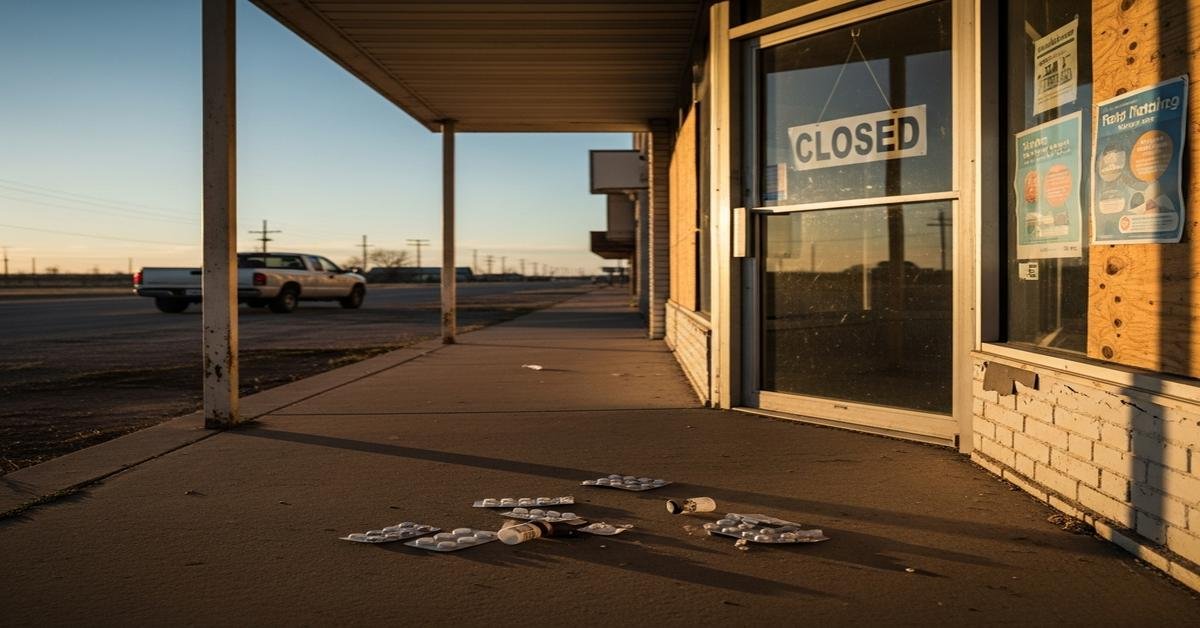
Across the country, drugstores are disappearing from neighborhoods and small towns. People call it the “pharmacy desert” problem: long drives for prescriptions, limited vaccine access, and gaps in basic health advice. The hard truth is economic. Chain pharmacies are closing because the math stopped working. Reimbursement fell, costs rose, and the old model of “sell prescriptions plus toothpaste” no longer covers the bill. Here’s what’s really happening, why it hits both rural and urban areas, and what might actually fix it.
What a “pharmacy desert” is—and why it matters
A pharmacy desert is a community where residents lack reasonable access to a pharmacy. In cities, that might mean no store within a walkable distance; in rural areas, it can mean 20–50 miles to the nearest counter. The consequences are practical and immediate:
- Delayed meds and missed doses. Adherence drops when refills are hard to get.
- Fewer vaccines and point-of-care services. Pharmacies deliver most adult flu and many COVID shots.
- Overburdened clinics and ERs. Minor issues addressed by pharmacists become urgent care visits.
The closures are not random. They follow where the business model is breaking.
The core economics of a retail pharmacy
Pharmacies earn gross margin on two things: prescriptions and front-of-store retail (OTC meds, snacks, cosmetics). Against that, they face the cost to dispense each prescription plus operating costs (labor, rent, utilities, software, insurance, interest) and inventory costs.
Two realities drive outcomes:
- Cost to dispense is substantial. Estimates often land around $10–$15 per prescription when you include staffing, systems, containers, counseling time, and overhead.
- Reimbursement for many scripts is below that. If a plan pays $6 in gross margin on a fill that costs $12 to dispense, volume makes the loss bigger, not smaller.
A simple example: A low-volume rural store filling 100 prescriptions a day with an average $6 gross margin brings in $600 from scripts. If it costs $12 per script to dispense, that’s $1,200 in dispensing cost—before rent, electricity, or salaries. The store starts $600 in the hole daily. Front-end sales used to plug that gap; they no longer do.
Why chains are closing: the five big pressures
Many explanations get airtime. Theft, labor shortages, online competition. Those matter, but they are not the main event. The core is reimbursement and cash flow, amplified by higher operating costs and strategic shifts.
1) Pharmacy benefit manager (PBM) dynamics compress margins.
- Below-cost reimbursement. PBMs and health plans set what pharmacies are paid. For common generics, reimbursement can lag real acquisition cost. When medication prices rise suddenly (supply shocks, shortages), “maximum allowable cost” lists update slowly, leaving pharmacies underwater.
- DIR fee changes moved the pain to the counter. For years, “direct and indirect remuneration” fees were clawed back months after a sale. In 2024, policy changes pushed those price concessions to the point of sale. That improved transparency but front-loaded the hit, squeezing cash flow when interest and inventory costs are high.
- Narrow networks trade volume for thinner pay. PBMs steer patients to “preferred” pharmacies at lower reimbursement. More scripts don’t help if each one loses money.
2) Inventory costs and high-ticket drugs strain cash.
- Pharmacies buy before they get paid. Carrying tens or hundreds of thousands of dollars in stock ties up cash. With higher interest rates, the cost of financing inventory rose.
- Expensive therapies increase risk. Think GLP‑1 drugs for diabetes/weight, specialty injectables, and ADHD meds during shortages. If reimbursement is thin or delayed, a single $900 fill can create a cash crunch—especially when prescriptions cancel or get reversed.
3) The front end no longer pays the rent.
- E-commerce and dollar stores siphon sales. OTC meds, vitamins, cosmetics, and household items face fierce price competition. Margins are slimmer, and foot traffic is down.
- Less cross-shopping. Curbside pickup and mail-order refills reduce impulse buys that used to subsidize pharmacy losses.
4) Rising operating costs outpace revenue.
- Labor costs climbed. Pharmacist and technician wages rose with shortages and expanded services (testing, immunizations). That’s good for quality but expensive.
- Rent, utilities, and compliance costs are up. Urban stores face high rent and security costs; all stores face software, audit response, and regulatory burden.
- Shrink (theft) matters but isn’t the root cause. Shrink adds pressure in some neighborhoods. Still, the largest and most pervasive hit is reimbursement below the cost of dispensing.
5) Corporate strategy and consolidation shifted focus.
- Overbuild, then retrench. Chains opened dense networks in the 2000s. Now they are closing overlapping locations, especially where reimbursement is weakest.
- Follow the margin. Insurers and PBMs own or align with specialty and mail-order pharmacies, where margins and control are better. Brick-and-mortar general pharmacy is the low-margin end of the chain.
- 340B volatility. Contract-pharmacy revenue once helped some stores. Changes in contracts, payer behavior, and audits reduced that cushion, exposing weak unit economics.
Rural and urban closures share causes—but look different
Rural America:
- Low volume and tough payer mix. More Medicare and Medicaid, which often reimburse less, plus fewer commercially insured patients.
- Distance raises costs. Delivery, limited staffing, and on-call coverage add expense.
- Single-point failure risk. If the only pharmacy closes, patient travel explodes overnight.
Urban America:
- High fixed costs. Rent, wages, and security eat thin margins.
- Network pruning. Chains close overlapping sites, often in lower-income neighborhoods where average reimbursement is lowest.
- Retail competition. OTC sales shift to online and discount retailers, removing a critical profit stream.
In both settings, the same math drives decisions: when expected gross profit doesn’t cover the cost to dispense plus overhead, closures follow.
Who gets hurt—and how behavior changes
- Patients with chronic conditions. Any added friction worsens adherence. Blood pressure pills, insulin, anticoagulants—missed days raise hospitalization risk.
- Low-income and elderly patients. Transportation is a real barrier. Delivery helps, but many closures come from stores that can’t afford to offer it widely.
- Clinics and hospitals. Pharmacists catch interactions, dose errors, and duplications. Without them, more problems land in primary care or the ER.
- Local economies. Pharmacies are small employers and anchors for nearby businesses. Their closure reduces foot traffic for the whole block.
Why volume and vaccines weren’t enough
During the pandemic, vaccine and testing revenue temporarily propped up many stores. That surge faded. Meanwhile, specialty and mail-order channels captured more maintenance medications, and plans tightened networks. More importantly, the 2024 shift of DIR fees to the counter reduced the short-term cash left after each sale. For chains under investor pressure, the decision became straightforward: close units that cannot cover cash costs even in a good month.
What would actually fix the economics
No single lever will solve pharmacy deserts. A realistic approach attacks the math directly and supports access where the market alone will not.
- Make reimbursement reflect the true cost to dispense. Set transparent, auditable rates or add a per-claim professional fee, especially in Medicaid and rural markets. The goal: at least cover acquisition cost plus dispensing cost.
- Bring real-time pricing accuracy. Require PBMs to update maximum-allowable-cost lists promptly when acquisition costs rise, with an appeals process that pays retroactively when pharmacies prove a mismatch.
- Reform DIR/pharmacy price concessions. Prevent post-point-of-sale clawbacks and ensure any performance metrics are fair, transparent, and within a pharmacy’s control.
- Support delivery, telepharmacy, and mobile units in underserved areas. Grants or enhanced fees for rural delivery and telepharmacy can keep low-volume communities covered at lower cost.
- Stabilize 340B relationships. Clear rules reduce gaming on both sides and allow predictable revenue-sharing that sustains access without overreliance.
- Allow pharmacists to bill for clinical services. Testing, chronic disease management, long-acting injectables, and vaccinations can diversify revenue—if payers reimburse for them.
Practical steps communities and patients can take now
- Map local risk. Health departments and hospital systems should identify neighborhoods and towns with only one remaining pharmacy and plan alternatives before closure happens.
- Backfill access smartly. Encourage telepharmacy kiosks, shared-service models, and limited-service pickup sites partnered with a regional pharmacy.
- Use delivery and synchronization. Med sync (one pickup day a month) and home delivery cut travel and improve adherence; ask your pharmacy to enroll you.
- Support local options. If you have a choice, filling scripts at a nearby independent or remaining chain location helps keep it open. Presence matters for long-term viability.
- Engage employers and plans. Large employers can choose networks and PBM contracts that do not starve local pharmacies and can pay for onsite or near-site pharmacy services.
The bottom line
Chain pharmacies are closing in both rural and urban America because reimbursement has fallen below the cost to dispense, while operating costs and inventory risks rose. Front-end retail no longer makes up the gap. Corporate owners are following the money toward specialty, mail, and fewer, more profitable locations. The result is pharmacy deserts—predictable, inequitable, and fixable only by changing the underlying math. If policymakers align payment with the real cost of care and enable modern access models, communities can keep pharmacies where they are needed most.

